
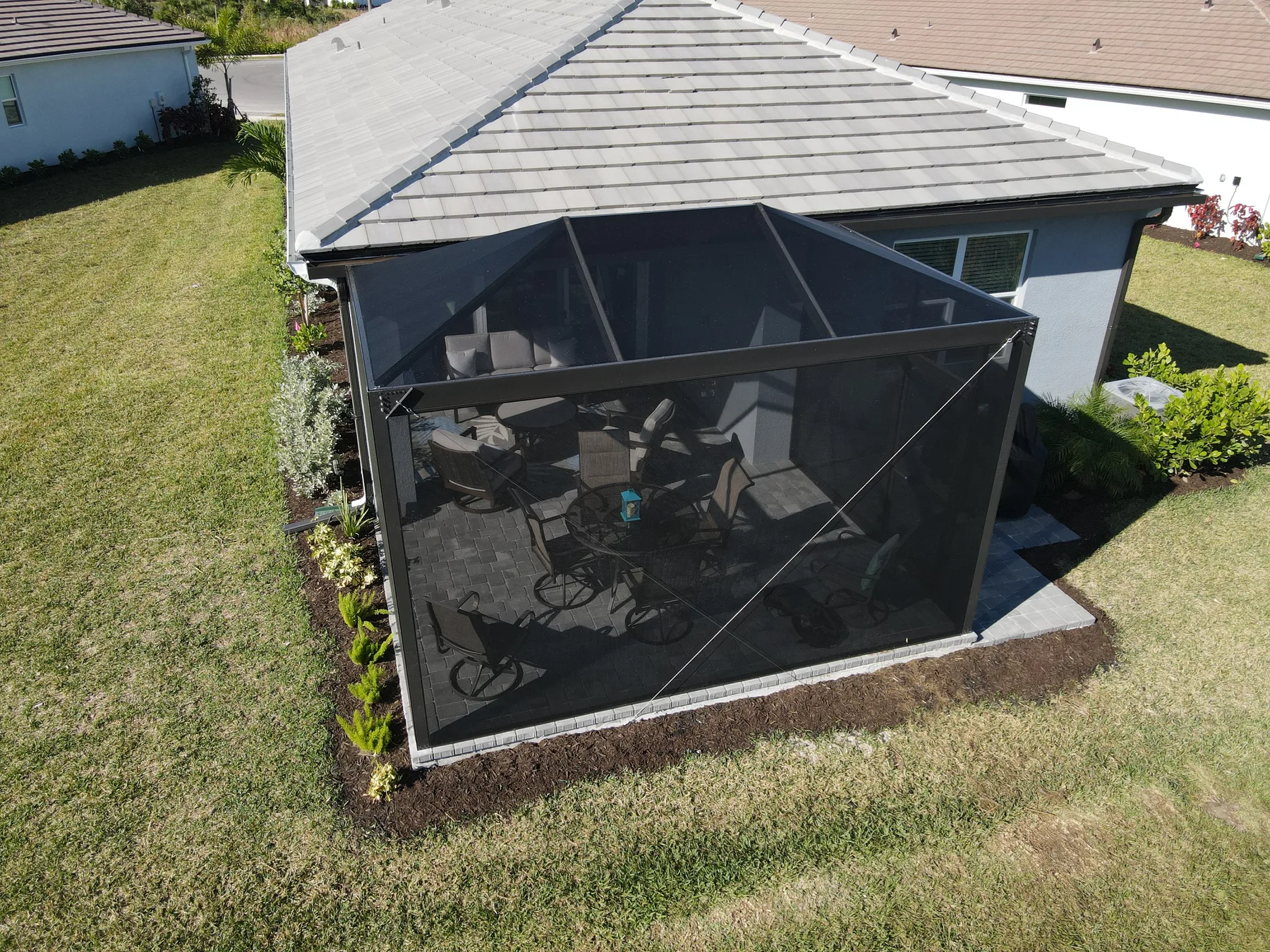
Quick Answer: When comparing aluminum pergola vs wood pergola, the best choice usually comes down to maintenance, weather exposure, style preferences, and how long you want the structure to stay looking consistent with minimal upkeep. For many Florida homeowners, aluminum is the lower-maintenance option that handles sun, salt air, and humidity better, while wood offers a classic look that some people love but requires more ongoing care. If you are deciding between the two for a patio, pool area, or backyard shade project, it helps to think beyond appearance and consider how each material performs over time.
How Aluminum Pergolas and Wood Pergolas Differ
At a basic level, both aluminum and wood pergolas are designed to provide shade, define an outdoor living area, and improve the feel of a backyard space. The difference is in how the material behaves after installation.
Aluminum pergolas are known for consistency. They do not absorb moisture like wood, and they are not subject to the same type of rot, warping, or insect issues that can affect natural lumber. That makes them a practical fit for humid climates and coastal environments where the weather can be tough on outdoor structures.
Wood pergolas, on the other hand, deliver a natural look that many homeowners appreciate. Wood has warmth, texture, and a traditional feel that pairs well with garden landscapes and classic architecture. But because wood is organic, it responds to weather. Sun, rain, moisture, and salt exposure can all affect how it looks and how much upkeep it needs.
If you are trying to choose between the two, the first question is usually whether you want a structure that ages with visible character or one that stays more uniform with less maintenance.
Maintenance and Long-Term Upkeep
Maintenance is one of the biggest differences in the aluminum pergola vs wood pergola conversation. Aluminum typically needs less routine care. A periodic rinse and visual inspection are often enough to keep it looking good, depending on its location and exposure. That can be especially appealing for homeowners who want shade without another recurring project on the to-do list.
Wood pergolas usually need more attention. Depending on the type of wood and the finish applied, they may require staining, sealing, or repainting over time. Even with care, wood can show wear from direct sun and rain. In Florida, that is an important consideration because outdoor structures face strong UV exposure, frequent storms, and high humidity. Those conditions can speed up fading, cracking, or surface wear on wood.
For homeowners who already maintain other outdoor systems, it can help to think in terms of overall exterior upkeep. If you are looking at a broader outdoor improvement plan, our aluminum screen enclosure maintenance guide offers a useful example of how aluminum components are typically cared for over time.
The practical takeaway is simple: aluminum is usually the lower-maintenance option, while wood asks for more hands-on ownership.
Appearance and Design Style
Appearance is where wood often wins first impressions. Many people like the natural grain and traditional character of a wood pergola, especially when the goal is to create a cozy, landscaped retreat. Wood can feel softer and more organic, which is why it remains a popular choice in many backyard designs.
Aluminum, however, is not limited to a plain or industrial look. Modern aluminum pergolas can be styled to appear sleek and refined, and they work well with contemporary homes, pool areas, and clean-lined outdoor spaces. They also tend to keep a consistent appearance over time, which is helpful if you want a finished look that does not change much from season to season.
In Florida Gulf Coast communities, style often has to balance with durability. Homeowners may prefer a material that complements light-colored stucco, paver patios, screened lanais, and poolside living areas. In those settings, aluminum often blends in nicely while still offering a polished appearance. If you are exploring options for a aluminum pergola north port fl, it is worth considering not only the initial design, but also how the finish will hold up in your specific environment.
Weather Resistance in Florida Gulf Coast Conditions
This is where aluminum usually stands out. Along the Gulf Coast, outdoor structures are exposed to intense sun, moisture, and salt-influenced air in some areas. Those conditions can be hard on wood over time. Even when a wood pergola is well built, it may still require more frequent inspection and maintenance to manage movement, surface wear, and finish breakdown.
Aluminum generally handles weather better because it does not absorb water the way wood does. It is also a strong choice for homeowners who want a structure that can better tolerate humid conditions without the same level of upkeep. That said, no outdoor structure is maintenance-free. Fasteners, finishes, and surrounding surfaces should still be checked periodically for wear, especially after severe weather.
If your pergola is going near a pool, patio, or existing enclosure, it is also smart to think about drainage, airflow, and how the structure will interact with nearby features. Aluminum is often chosen in these settings because it offers a stable, consistent framework that supports outdoor living without adding much upkeep burden.
Cost Factors Without Guessing at Prices
People often ask whether aluminum or wood is cheaper, but the honest answer is that the total cost depends on several project-specific factors. Material choice is only one part of it. Size, design complexity, finish selection, attachment details, roof style if applicable, site access, and existing conditions all affect the final estimate.
For wood pergolas, the type of lumber, finishing requirements, and long-term maintenance plan all factor into the real cost of ownership. For aluminum pergolas, the material system, fabrication details, and installation conditions matter more. A simple project will typically be easier to estimate than a custom layout with special dimensions or site challenges.
Because of that, the most useful comparison is not a generic price chart. It is a site-specific written estimate that reflects your property, your design goals, and your preferred level of maintenance. That approach helps you compare the full picture rather than just the first number you hear.
Which One Fits Most Homeowners Best?
If you want a pergola that offers classic beauty and you do not mind ongoing care, wood can be a good fit. It may appeal to homeowners who value a natural aesthetic and are comfortable with periodic maintenance as part of ownership.
If you want a pergola that better matches a low-maintenance lifestyle, especially in a humid coastal climate, aluminum is often the more practical choice. It is a strong option for homeowners who want outdoor shade without committing to regular sealing or refinishing. It also tends to be easier to coordinate with other aluminum exterior elements like screen enclosures, gutters, soffit, and fascia.
The best choice is not always about which material is “better” in the abstract. It is about which one makes sense for your home, your climate, and how much maintenance you want to take on.
Final Thoughts
When comparing aluminum pergola vs wood pergola, the decision usually comes down to durability, maintenance, appearance, and climate performance. Wood offers natural warmth and traditional character, while aluminum offers a clean look with less routine upkeep and better long-term practicality for many Florida Gulf Coast homes. If you are still weighing options, focus on how you want the space to function, how much care you want to provide, and how the structure will hold up in your environment. For the most accurate next step, request a written estimate based on your specific site and design goals.