
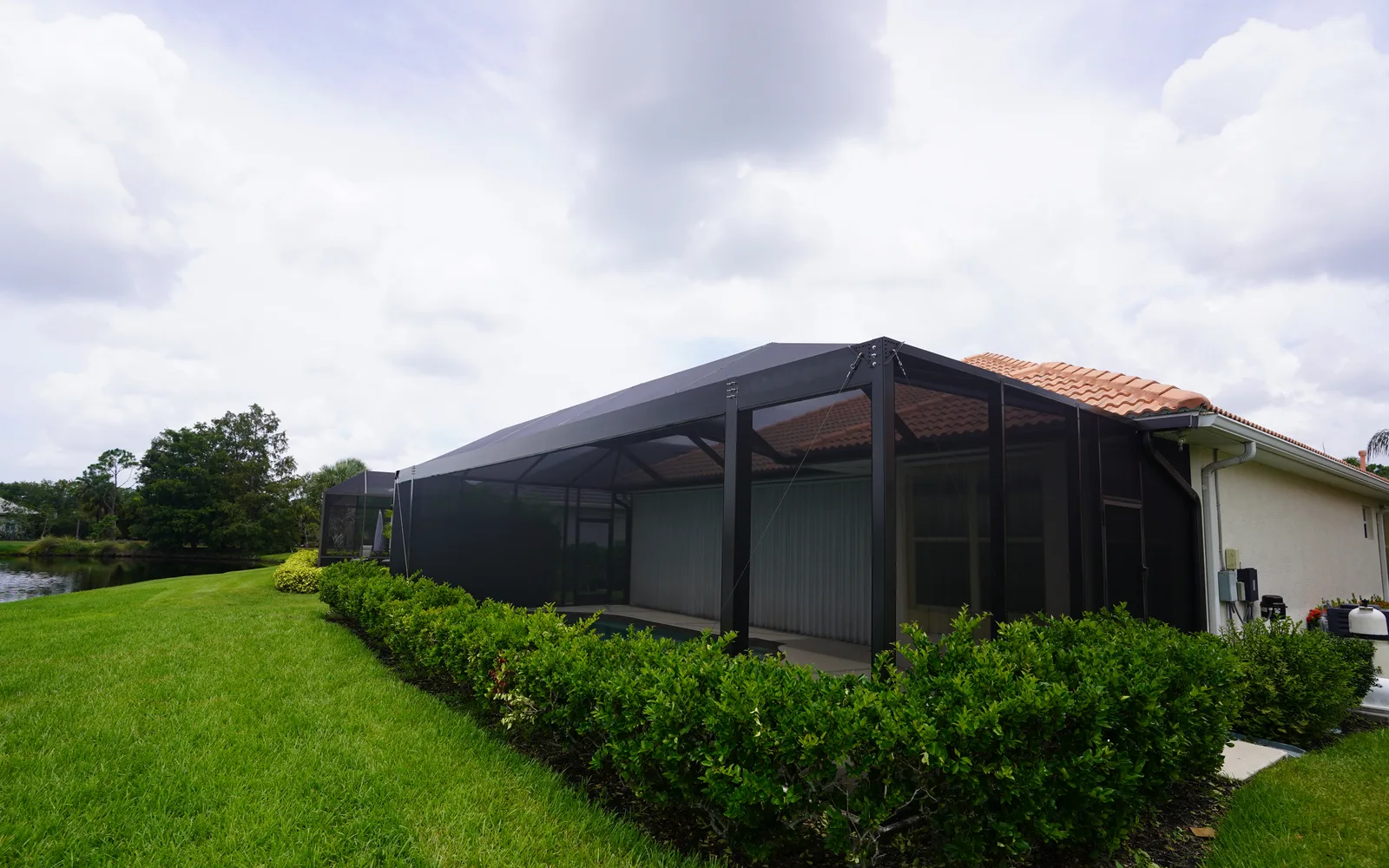
Quick Answer: How long does pool screen last in Florida depends on the screen material, the sun, salt air, storm exposure, and how well the enclosure is maintained, but homeowners on the Gulf Coast should expect that a pool screen is a wear item that ages faster in Florida’s heat, humidity, UV, and wind than it would in a milder climate. In practical terms, the answer to how long does pool screen last in florida is that the fabric itself often outlasts small repairs and may need replacement before the aluminum frame does, especially after repeated storms, tree debris, or years of salt exposure near the coast.
What Affects Pool Screen Lifespan in Florida
Florida weather is the biggest factor in how long a pool screen lasts. Constant sun bakes the mesh over time, making it brittle and more likely to tear. Humidity and rain add moisture cycling, and coastal air can be especially hard on fasteners, spline, and surrounding metal components. If a home is closer to the Gulf, the air can be more corrosive, which means the enclosure may need more frequent attention than an inland property.
The type of screen matters too. Standard fiberglass screening is common and can work well, but premium screen materials are made for homeowners who want better resistance to tearing, pets, and storm-season stress. Even then, no screen lasts forever. The frame, the fasteners, and the supporting structure all influence whether the enclosure remains serviceable or starts showing repeated failures in different spots.
Tree cover, landscaping, and pool equipment also play a role. Branches rubbing against the enclosure, lawn equipment hitting the screen, or pressure from poorly positioned sprinklers can shorten the service life. If you are thinking about a larger outdoor structure or comparison project such as a lanai enclosure north port fl, it is helpful to understand that screening performance is only one part of the overall enclosure system.
Common Signs the Screen Is Wearing Out
Homeowners usually notice aging screen fabric before they notice a frame problem. Small tears may begin at corners, door panels, or areas that get the most wind movement. You may also see fraying along the edges, loose spline, or places where the mesh looks faded and brittle. When the screen starts stretching or sagging, it often means the material has lost strength.
Another sign is frequent patching. One or two isolated repairs are normal, but if the enclosure seems to need constant attention, the material may be reaching the end of its practical life. Torn screen around door hardware, pet access points, or lower panels can also indicate routine wear rather than a one-time incident.
Watch the frame and hardware as well. Corroded screws, loose kick plates, damaged door closers, bent tracks, or pulled fasteners can stress the screen and cause repeated failures. When several parts of the enclosure are deteriorating together, a targeted repair may still be possible, but the overall condition should be evaluated carefully.
Typical Reasons Pool Screens Fail Faster in Florida
Florida homeowners often ask why their pool screen seems to wear out faster than expected. The biggest reason is environmental exposure. UV breaks down materials over time, and that process is relentless in a sunny state. Even if a screen looks fine from a distance, it can become weaker long before it actually tears.
Storm season is another factor. Strong wind can flex the enclosure and create stress at seams and attachment points. Flying debris can puncture or shred sections of mesh. Even when a storm does not cause obvious damage, repeated wind movement can loosen the fit of the screen and reduce its lifespan.
Salt air can be important for Gulf Coast properties. Homes closer to the water may see faster deterioration in metal parts and hardware, which can eventually affect the screen itself. That does not mean every coastal enclosure fails quickly, only that maintenance and material selection matter more in those environments.
Poor maintenance can also shorten life. If debris is allowed to accumulate, if repairs are delayed, or if hardware is left corroded, the enclosure may age unevenly. For homeowners who are also comparing outdoor surface choices, the maintenance conversation is different from questions like how long should you wait to stain pressure treated wood guide, but the general principle is the same: climate and upkeep matter a lot.
Maintenance That Helps a Pool Screen Last Longer
Routine care can make a meaningful difference. Gentle rinsing removes pollen, salt, dirt, and mildew that can build up on the screen and frame. A soft cleaning approach is usually better than aggressive scrubbing, which can stretch or damage mesh. Keeping gutters clear also helps, because overflowing water can stain or stress parts of the enclosure.
It is smart to inspect the enclosure regularly, especially before and after storm season. Look for small tears, loose spline, failed door hardware, and signs of rust or corrosion. Catching one weak spot early can prevent a much larger panel replacement later. If a panel is damaged, a timely repair may keep the rest of the enclosure in good shape.
Landscaping maintenance matters too. Trim branches away from the enclosure, avoid letting vines climb the frame, and be careful with lawn tools near lower panels. If sprinklers are hitting the screen directly, the constant wetting and mineral buildup can contribute to wear. These small habits may not make a screen last forever, but they can help it last longer and look better along the way.
Repair or Replace: How to Decide
A pool screen can often be repaired when the damage is limited to one section or a few small areas. That might include a torn panel, a bad spline section, or a damaged door screen. Repairs make sense when the frame is still sound and the rest of the enclosure is holding up well.
Replacement becomes more likely when many panels are failing, the mesh is brittle throughout, or the frame and hardware are also in rough condition. If the enclosure has been through repeated storms, or if corrosion is widespread, piecemeal fixes may not be the most practical path. In that case, a contractor can inspect the condition of the structure and explain whether selective repairs or broader rescreening is the better option.
For homeowners on the Florida Gulf Coast, a site visit is especially useful because exposure conditions vary from neighborhood to neighborhood. A pool screen that performs well inland may age differently near open water, a canal, or a windy corner lot. A written estimate based on the actual enclosure is the best way to understand the scope of work without guessing.
What Homeowners Can Realistically Expect
So, how long does pool screen last in florida? The most honest answer is that it depends on the material, exposure, and upkeep, and there is no single lifespan that fits every home. A well-maintained enclosure can provide many good years of service, while a heavily exposed coastal screen may need attention sooner. The frame may outlast the screen fabric, and one damaged section does not always mean the whole enclosure is finished.
What matters most is watching for early wear and responding before small problems spread. If you catch tears, corrosion, or loose hardware early, you may be able to extend the life of the enclosure and avoid larger repairs. If the screen is aging across multiple panels, a full rescreening or broader repair plan may be the more sensible choice.
Final Thoughts
Pool screens in Florida live a harder life than screens in many other places, so regular maintenance and realistic expectations go a long way. The exact answer to how long does pool screen last in florida depends on sun, salt air, storms, materials, and upkeep, but homeowners who inspect their enclosure routinely and address small issues quickly usually get better service from it over time. If you are unsure whether your pool screen needs a repair or a more complete refresh, an on-site evaluation from a qualified screen and aluminum contractor can help you decide the next step based on the enclosure you actually have.