
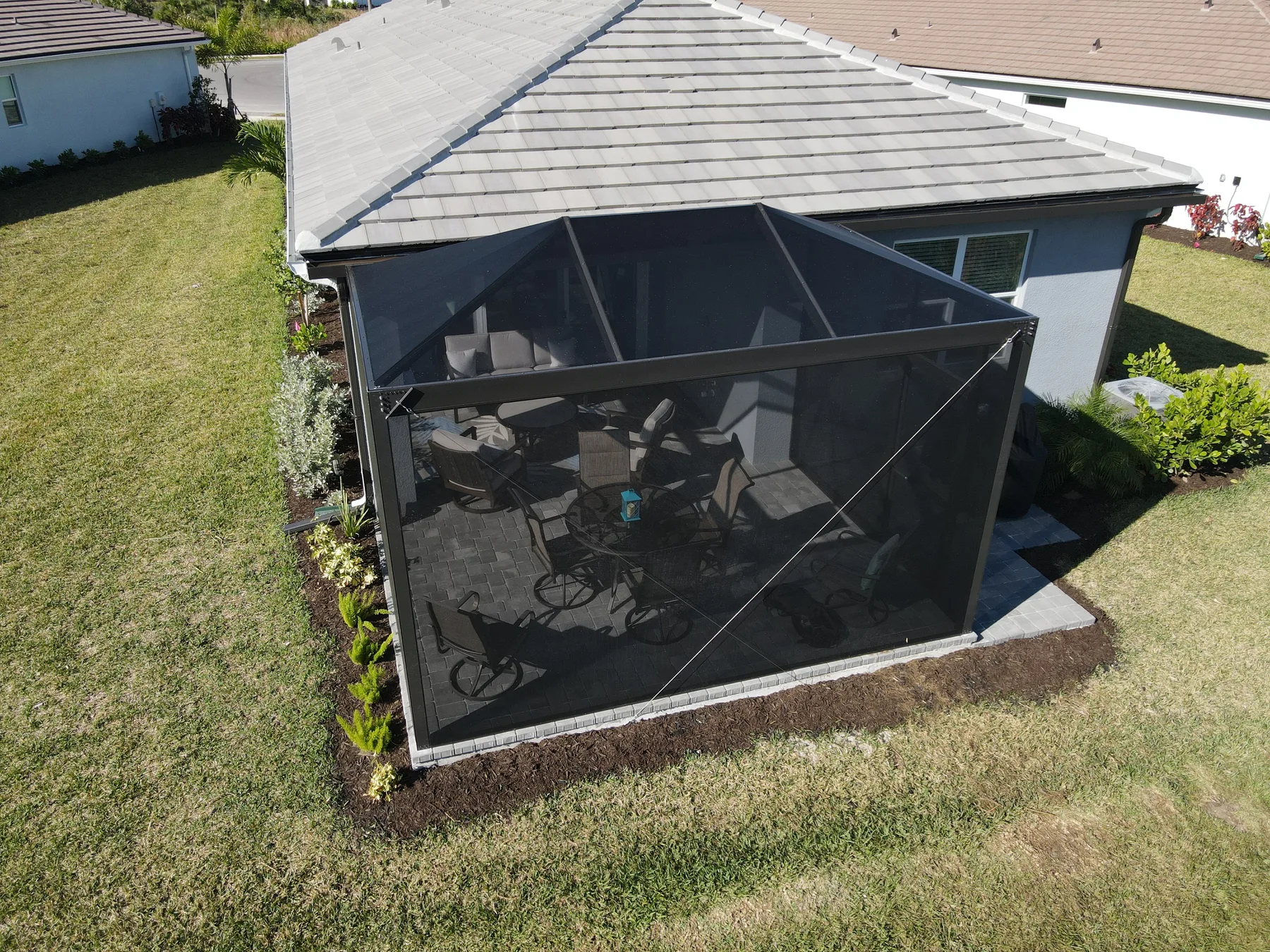
Quick Answer: If you are asking do you need a permit for a pool cage in florida, the safest answer is yes, in many cases you should expect permitting and plan review to be involved before work begins. Whether your specific project needs a permit can depend on the scope of the job, local Florida Gulf Coast rules, structural details, and whether the work is a repair, replacement, or new enclosure. Because requirements can vary by city and county, homeowners should confirm the exact rules with the local building department or a licensed contractor familiar with the area.
What a Pool Cage Usually Means in Florida
In Florida, a pool cage is typically an aluminum-framed screen enclosure built around a pool or spa area. Homeowners choose them to help reduce debris, keep out insects, and create a more comfortable outdoor living space. On the Gulf Coast, these structures also have to be considered in the context of wind exposure, salt air, and storm conditions, which can affect both design and repair needs.
That is why the permit question matters. A pool cage is not just a cosmetic addition. It is a structure that may need to meet local code requirements for framing, anchoring, roof configuration, openings, and attachment methods. If a project changes the structure itself, it is much more likely to trigger permitting review than simple maintenance.
When a Permit Is Commonly Part of the Process
For many homeowners, the need for a permit comes up when the project is more than routine upkeep. A permit may be required when you are building a new pool cage, enlarging an existing enclosure, changing its footprint, altering structural members, or making major repairs after storm damage. Even when the work seems straightforward, the local building office may still want documents showing what is being installed and how it is attached.
Permit review may also come into play if the project affects:
- the enclosure’s size or shape
- roof panels or structural spans
- footings or anchoring points
- the connection to the home or patio slab
- doors, access points, or safety openings
- screens, kick plates, or structural framing repairs that go beyond like-for-like replacement
In Florida, local enforcement can be very specific. A project in one county may be handled differently than a similar project elsewhere. That is why a homeowner should not assume that a previous neighbor’s job or an online answer automatically applies to their property.
Repairs, Re-Screening, and Replacement Are Not Always the Same
One of the biggest sources of confusion is the difference between basic maintenance and structural work. Re-screening a pool cage, replacing torn panels, or fixing minor hardware may be treated differently than rebuilding framing members or changing the enclosure layout. Small repairs may sometimes be handled without a full permit, but that does not mean every repair is exempt.
If hurricane damage, corrosion, or age has affected the frame, the scope matters. For example, replacing damaged screens is one thing; replacing posts, beams, or roof sections is another. A contractor should be able to tell you whether your work is likely to need permits, but if there is any doubt, the local building department has the final word.
If you are comparing enclosure work with other outdoor projects, our do i need permit for patio guide can help you understand how Florida permitting questions often depend on the size and type of work rather than one simple yes-or-no rule.
Why Florida Gulf Coast Homes Often Need Extra Attention
Florida Gulf Coast homeowners face conditions that make pool cage planning more sensitive than in many other places. Salt air can speed up corrosion on fasteners and metal parts. Heavy rain, wind-driven debris, and tropical weather can increase wear on screens and framing. Because of that, even a repair project should be evaluated with structural durability in mind.
That does not mean every cage project is complicated, but it does mean the local environment is part of the conversation. A screen enclosure that is appropriate inland may need different material choices, attachment methods, or maintenance planning near the coast. This is one reason many homeowners prefer to work with a contractor who regularly handles aluminum and screen structures in the region.
If you are looking for a local company familiar with outdoor living projects, an aluminum company north port fl can be a helpful starting point for enclosure-related questions and service options.
What Homeowners Should Ask Before Starting the Job
Before any pool cage project begins, it is smart to ask a few practical questions. These questions help avoid delays, misunderstandings, and mid-project surprises:
- Is this a repair, replacement, or new enclosure?
- Will any framing, attachment, or footprint change?
- Does the local building department require a permit for this scope?
- Are drawings or product specifications needed?
- Will the work involve pool safety features or access changes?
- Who is responsible for submitting paperwork if a permit is needed?
If you are hiring a contractor, ask for a clear written explanation of the work scope. That makes it easier to determine whether permitting is likely. It also helps compare proposals accurately, since two jobs that both sound like “pool cage repair” may actually involve very different levels of structural work.
Cost Drivers and Why Written Estimates Matter
Homeowners often want to know what a pool cage project will cost, but the honest answer is that pricing depends on the specific job. The main cost drivers are typically the enclosure size, amount of framing work, screen type, access to the site, height and complexity of the structure, repair versus replacement, and any project-specific requirements that affect labor or materials. Storm damage, corrosion, and hard-to-reach sections can also change the scope.
Because of those variables, a site visit and a written estimate are important. A contractor can inspect the existing structure, identify what needs attention, and explain the likely scope before any work starts. That is far more reliable than trying to estimate from a photo or a general description alone.
If permitting is involved, there may also be added steps for documentation and review. Rather than guessing, ask for a written estimate that separates the physical work from any administrative steps so you can understand what you are paying for and why.
When to Call the Building Department or a Licensed Professional
For straightforward questions like, “Do I need a permit for a pool cage in florida?” the local building department is the most direct source for the final answer on your property. This is especially important if your project involves structural changes, storm repairs, or anything that could affect safety, access, or code compliance.
You should also contact a licensed professional if the job raises issues related to:
- structural design or load paths
- electrical fixtures or wiring near the enclosure
- pool barriers or safety requirements
- fire separation or access concerns
- manufactured-home or specialized property rules
- local zoning or setback questions
Those topics can go beyond a standard screen enclosure installation and may require review from the appropriate authority. It is better to ask early than to discover a permit issue after work has started.
Final Thoughts
For most Florida homeowners, the practical answer is that a pool cage often does involve permitting questions, especially when the work is new construction, replacement, or anything structural. Small maintenance and like-for-like repairs may be handled differently, but you should never assume a permit is unnecessary without checking first.
If you are planning pool cage work on the Florida Gulf Coast, start with a clear description of the project, ask the local building department about the required process, and request a written estimate from a contractor who works with aluminum and screen structures. That approach gives you the clearest path forward and helps you avoid delays once the project is underway.