
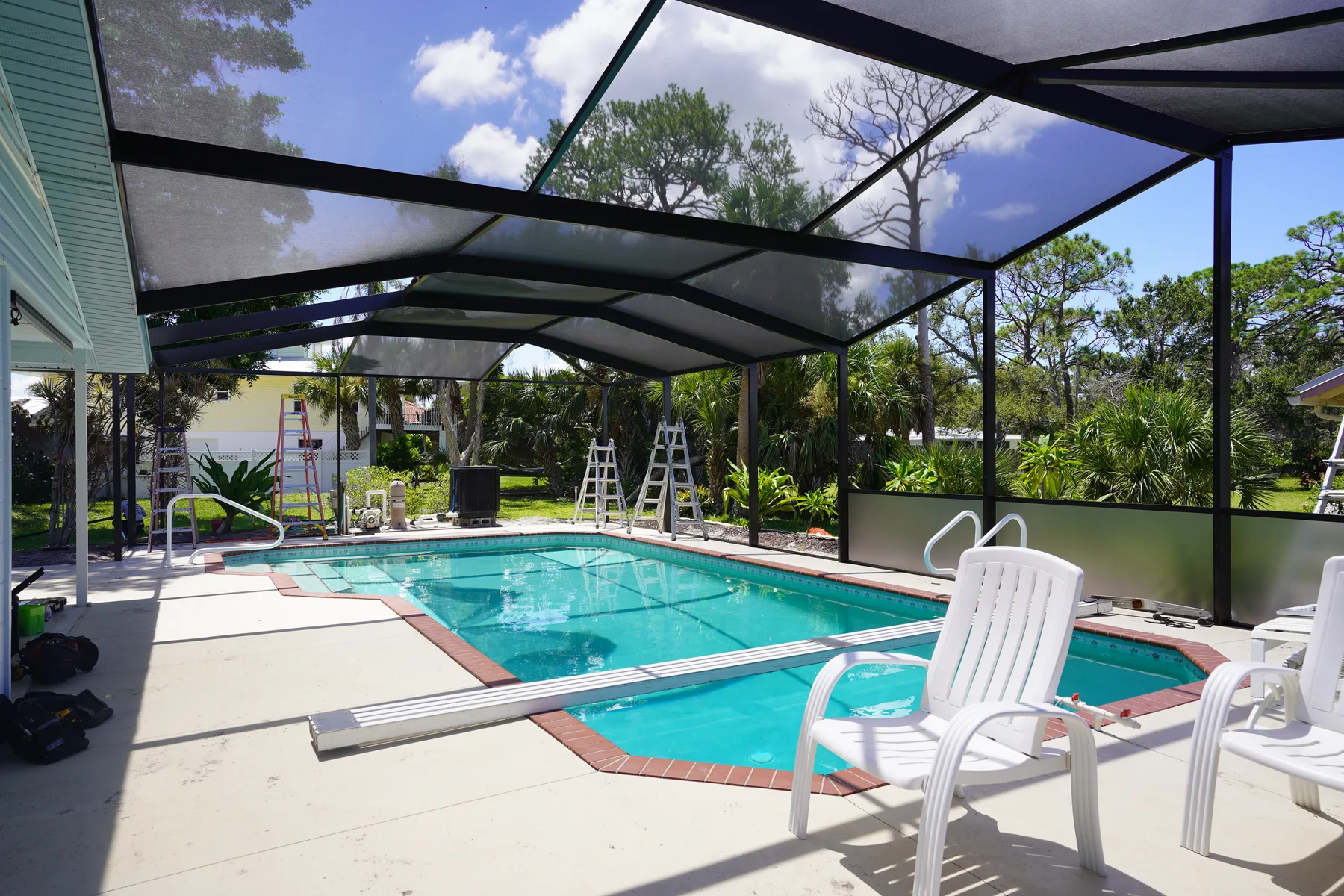
Quick Answer: Yes, a screened in porch can add value, but the amount and type of value depend on your home, your neighborhood, the quality of the enclosure, and how well it fits local buyer expectations. For homeowners asking does a screened in porch add value, the most accurate answer is that it often improves market appeal more reliably than it guarantees a specific return. In Florida, where outdoor living matters for much of the year and insects, heat, and rain are part of daily life, a well-designed screened porch can make a home feel more usable and more comfortable.
Why a Screened Porch Appeals to Buyers
A screened porch gives homeowners a protected outdoor space that still feels connected to the yard. That is a big selling point for many buyers who want fresh air without constant bug spray, damp cushions, or a fully enclosed room that feels disconnected from the outdoors. In warm, humid regions, that middle ground is especially attractive.
Buyers often respond to spaces that are easy to imagine using right away. A screened porch suggests morning coffee, a place to unwind, or a comfortable spot for casual gatherings. It can also help a property stand out in a competitive market when it is clean, well-maintained, and visually integrated with the home.
That said, value is not just about the existence of the porch. A screened area that looks mismatched, poorly maintained, or undersized may not help much. A porch that feels like a true extension of the home usually has stronger appeal than one that looks like an afterthought.
What Really Drives Value
If you are thinking about whether a screened porch adds value, the key question is not just “yes or no,” but “what kind of value?” For some owners, the main benefit is personal enjoyment. For others, it is stronger resale appeal. Both matter, but they are not the same.
Several factors influence how buyers perceive the upgrade:
- How well the porch matches the home’s architecture
- The size and layout of the usable space
- The quality of the screen system and framing
- The condition of the floor, roof tie-in, and trim details
- How the space handles sun, rain, drainage, and airflow
- Whether the porch feels comfortable and low-maintenance
Location matters too. In the Florida Gulf Coast, outdoor spaces are often a major part of the lifestyle buyers want. A screened porch can be a practical feature because it helps make outdoor time more enjoyable during bug season and in humid weather. For homeowners comparing options, a lanai enclosure north port fl is one example of how screened outdoor spaces are commonly used in the region.
Screened Porch vs. Other Outdoor Improvements
Not every outdoor project affects value in the same way. A screened porch is different from a basic patio, a pergola, or a fully enclosed room. It offers more protection than open-air space, but it is still distinct from a conditioned interior room.
That distinction matters because buyers tend to evaluate additions based on use, appearance, and how naturally they fit the home. A screened porch can add everyday livability without requiring the same level of finish as an interior expansion. In many cases, that balance is what makes it appealing.
For some homes, the porch becomes a transition space that helps the backyard feel more usable. For others, it becomes the main spot for dining, relaxing, or entertaining outdoors. If a porch is designed thoughtfully, it can make the whole property feel larger and more inviting, even if it does not increase interior square footage in the way a room addition would.
Homeowners who want to understand structural approaches may also find it useful to review a how to build a screened in porch under a deck guide to better understand layout and construction considerations before planning a project.
Cost Considerations Without Guesswork
Cost is always part of the value conversation, but it is impossible to judge return without knowing the specifics of the property. The final price of a screened porch depends on many site-specific factors, including:
- Existing slab, deck, or foundation conditions
- Roof connection details and the current roofline
- Porch size and ceiling height
- Screen type and framing materials
- Hardware, doors, and trim complexity
- Drainage, gutter, soffit, and fascia work
- Permitting requirements and local code review
- Any needed repairs before construction can begin
Because each project is different, a homeowner should request a written estimate based on an actual site visit. That is the only reliable way to understand what the project will involve and how it fits the home’s existing structure.
If you are comparing multiple improvements, it also helps to think about maintenance. A screened porch can be appealing because it often offers strong everyday use with relatively modest upkeep compared with more elaborate additions. Still, screens, doors, fasteners, and framing details should all be built for long-term exposure to coastal weather.
When a Screened Porch Adds the Most Value
A screened porch is most likely to add meaningful value when it feels intentional and useful. That usually means it is sized for real furniture, protected from weather in practical ways, and designed to look like part of the home rather than a separate structure tacked on later.
It tends to be more attractive when it:
- Extends a living or dining area naturally
- Offers a clear view of the yard or pool area
- Has good ventilation and comfortable shade
- Matches the home’s exterior style and finish details
- Feels like a space buyers can use immediately
In Florida, screened porches also fit the climate better than many uncovered outdoor spaces because they soften the effect of insects, debris, and sudden rain. That can make the home feel more functional for a larger portion of the year.
Still, the best value comes from balance. Overspending on features that do not match the home or neighborhood may not deliver the same benefit as a clean, practical, well-built porch. Buyers generally respond best to improvements that look durable, easy to maintain, and appropriate for the property.
Planning the Right Project for Your Home
If your goal is resale appeal, start by looking at what makes sense for your home style and lot layout. A screened porch should feel integrated with the house and with the way your family actually lives. Consider where the sun hits during the day, how water moves around the property, and how the porch will connect to existing entry points or outdoor spaces.
You should also think about the future buyer. A family may want a space for play and lounging, while another buyer may want a quiet place for morning coffee or evening meals. The more versatile the porch is, the broader its appeal may be.
This is also where professional guidance matters. Structural design, screen framing, roof tie-ins, electrical planning, and local permitting questions should be reviewed by the appropriate licensed professional or local authority. That is especially important on the Gulf Coast, where weather exposure and site conditions can influence how a project should be built.
Final Thoughts
So, does a screened in porch add value? In many cases, yes — especially when it is well designed, well built, and suited to the home and neighborhood. The biggest benefit is often increased buyer appeal and improved everyday livability rather than a guaranteed financial payoff.
For Florida Gulf Coast homeowners, a screened porch can be a smart outdoor-living upgrade because it helps make the most of warm weather while reducing common nuisances like insects and sudden rain. If you are considering one, focus on how the space will function, how it will look with the existing home, and what site-specific conditions may affect the project. The most reliable next step is a written estimate based on an on-site evaluation, paired with guidance from the right licensed professionals when structural or permit questions are involved.