
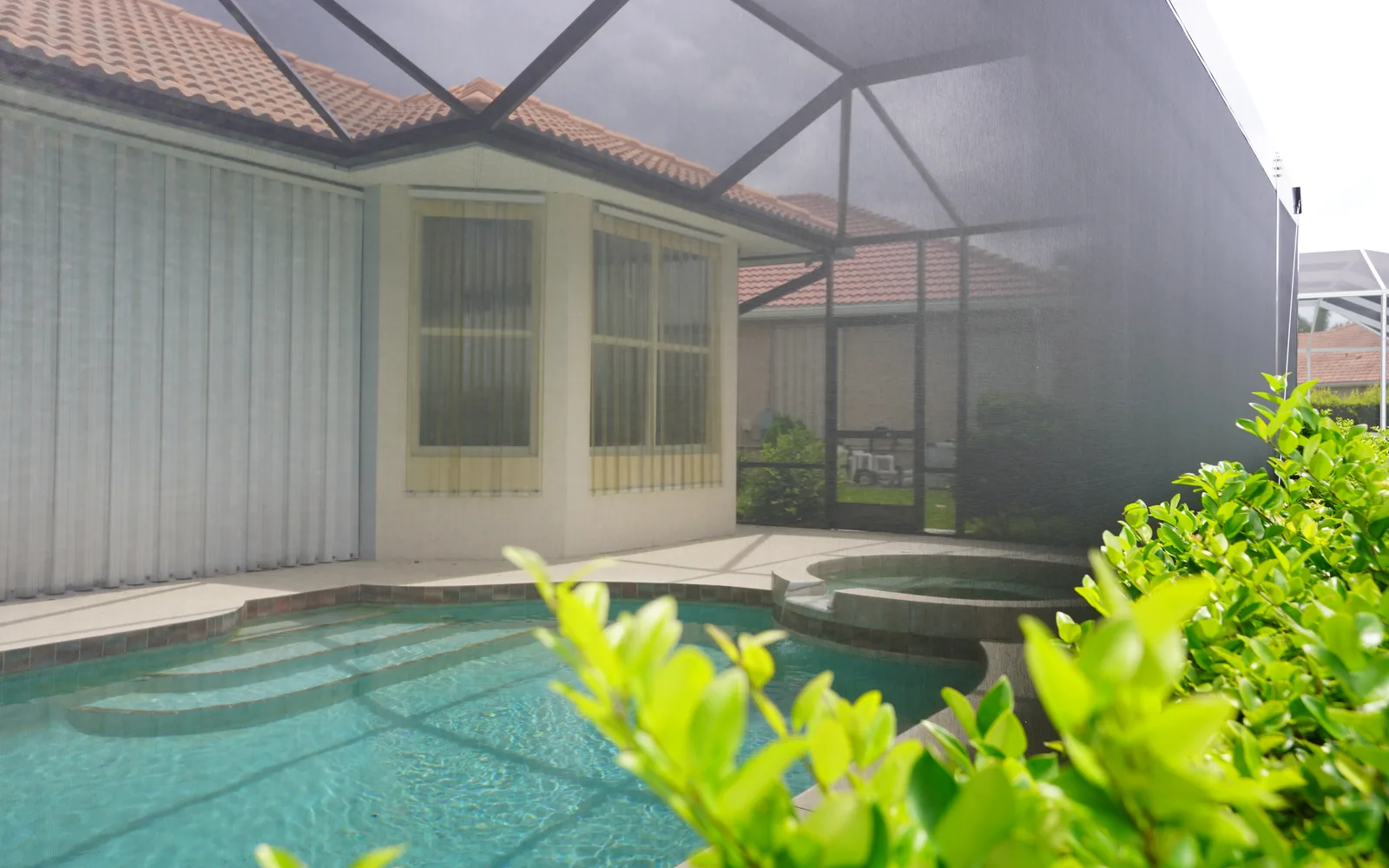
Quick Answer: how long does it take to rescreen a pool cage depends on the size of the enclosure, the condition of the frame, the type of screen material, and whether the job is a straightforward panel replacement or includes repairs to spline, fasteners, doors, or damaged framing. For many homeowners, the actual rescreening work may be completed in a day or two, but larger cages, weather delays, and extra repairs can extend the timeline. If you want a more precise schedule for your property, a site visit is usually needed.
What “rescreening” usually means
Rescreening a pool cage means replacing the worn or damaged mesh on the enclosure while keeping the main aluminum structure in place. In Florida, this is a common maintenance project because screen material naturally wears out over time from sun exposure, wind, salt air, storms, pets, and general aging. The frame, doors, and hardware may still be sound even when the screen fabric is not.
A rescreening project can involve a few panels or the entire enclosure. The work typically includes removing old screen material, checking the frame for issues, installing new screening, and securing it with spline or other fastening components. If the enclosure has torn door screens, loose corners, or failed clips, those may be addressed as part of the same visit.
If you are comparing options and want broader background on pricing factors, you can also review how much does it cost to rescreen a pool cage guide.
Typical time frames homeowners can expect
There is no one-size-fits-all answer to how long it takes to rescreen a pool cage, but the timeline is often shorter than many homeowners expect. A smaller enclosure with easy access and no structural surprises may be completed relatively quickly. A larger pool cage with multiple roof sections, many panels, or hard-to-reach areas will naturally take longer.
A few common factors influence the schedule:
- Size of the enclosure: More panels take more labor.
- Condition of the frame: If the aluminum needs repair, cleaning, or prep work, the job takes longer.
- Screen type: Heavier-duty or specialty screen materials can require more careful installation.
- Access around the cage: Tight landscaping, pool equipment, or nearby structures can slow the process.
- Weather: Rain and strong wind can interrupt outdoor work on the Gulf Coast.
- Scope of work: Replacing a few damaged panels is not the same as a full rescreen.
For a homeowner, it is helpful to think of the project in two parts: scheduling time and on-site labor time. The labor itself may be fairly efficient once the crew begins, but getting the right material, inspecting the enclosure, and timing the work around weather can affect the overall calendar.
What can make the job faster or slower
Some pool cage rescreening projects move quickly because the enclosure is in good shape and the screens are the only failing part. When the frame is straight, the fasteners are intact, and there is enough room to work, the crew can focus on removing old mesh and installing the new material without many interruptions.
Other projects take longer because the enclosure needs extra attention before new screen is installed. For example, if the spline channels are worn, doors are sticking, corners are loose, or sections of the frame need adjustment, those issues can add steps. In coastal Florida, salt air and humidity can also contribute to corrosion on hardware and wear on components, so a contractor may need to inspect more closely before starting.
The roof style matters too. A simple gable or single-slope screen roof is usually more straightforward than a cage with multiple pitches, many seams, or elevated areas that are harder to reach. The more complex the enclosure, the more time the crew needs for safe access and careful installation.
Homeowners sometimes ask whether all screening must be replaced at once. Not necessarily. If only one or two sections were damaged by a branch or pet, patching or partial replacement may be possible. But if the screen is brittle throughout, a full rescreen is often the more practical long-term fix.
Florida Gulf Coast conditions and timing
On the Florida Gulf Coast, weather is one of the biggest variables in scheduling exterior work. Afternoon storms, gusty wind, and humid conditions can interrupt a project, especially if the cage is large or exposed. Crews often plan around weather windows so the material can be installed without unnecessary risk to the work or the enclosure.
Nearby salt air can also affect the long-term condition of screen enclosures, fasteners, and hardware. That does not necessarily make the job take longer every time, but it can mean a more careful inspection is worthwhile before and during the rescreen. A homeowner in Sarasota, for example, may have different wear patterns than someone farther inland, even when the cage size is similar. If you are looking for a local point of contact, a screen enclosure contractor sarasota fl can evaluate the enclosure and discuss the likely timeline based on the actual site conditions.
Seasonal demand can influence scheduling as well. After storm seasons or during busy renovation periods, good crews may have fuller calendars. That does not change the labor required for the job, but it can affect how soon the work gets underway.
What happens during a rescreening visit
A typical rescreening visit often begins with a walkthrough of the enclosure. The contractor may check the condition of the frame, screen channels, doors, hinges, and fasteners to confirm whether the project is a straightforward rescreen or if repairs are needed first. Once the scope is clear, old screen is removed and the new material is cut and fitted panel by panel.
In many cases, homeowners can keep using parts of the property while the work is underway, but access around the cage may be limited during installation. If the pool area is heavily furnished or landscaped, clearing the work zone ahead of time can help the process move more smoothly. Pets should be kept away from the area as well, since open sections and tools can create hazards.
If the enclosure includes damaged sections beyond the screen itself, such as bent aluminum members or significant hardware wear, those items may need to be addressed separately. That is one reason a written estimate based on an on-site inspection is so important. It helps clarify whether the job is a simple rescreen or a broader repair project.
How to plan for the least disruption
If you want the project to go as efficiently as possible, a little preparation helps. Move patio furniture, grills, and small décor away from the cage perimeter if requested. Make sure crews can reach gates and work areas easily. If irrigation heads, outdoor lighting, or fragile landscaping are close to the enclosure, point them out during the estimate visit.
It also helps to ask a few practical questions before the job begins:
- Is this a full rescreen or only partial replacement?
- Will any frame or door hardware issues change the schedule?
- What screen material is being installed?
- Are there access limitations around the pool or patio?
- What weather conditions would delay the project?
These questions do not require a technical background, but they can give you a better sense of the project timeline. And if your enclosure is part of a larger exterior update, it may make sense to sequence the work so the screen job does not interfere with other trades or landscaping.
Final Thoughts
For most homeowners, how long it takes to rescreen a pool cage comes down to enclosure size, condition, access, and weather. A simple project may be finished quickly once the crew is on site, while a larger or more weathered enclosure may take longer. The best way to get a realistic timeline is through a site-specific inspection and written estimate that reflects the actual cage, materials, and any needed repairs.
If your screen enclosure is showing age, torn panels, or storm wear, getting it evaluated early can help you plan around the work instead of reacting to a sudden failure. A well-timed rescreen can restore the enclosure’s function and keep your outdoor space more usable, but the schedule should always be based on the real conditions at your home.