
Quick Answer: how many tv’s can you have in a deck depends less on the deck itself and more on how you plan to power, mount, protect, and view them. In practical terms, a deck can have one TV, two TVs, or more if the structure, wiring, weather protection, and viewing layout are all handled correctly. For most homeowners, the real question is not a fixed number but whether the deck has enough safe mounting support, enough electrical capacity, and enough shelter from rain, wind, glare, and humidity to keep each TV usable outdoors.
The Real Limit Is Usually the Setup, Not the Screen Count
When people ask how many TV’s can you have in a deck, they often mean, “How many can I add before it stops making sense?” There is no universal limit based only on the deck surface. A large covered deck with multiple seating zones may support several screens, while a small open deck may be better served by one carefully placed outdoor TV.
The main limiting factors are:
- Structural support for each mount
- Safe access to power and cable routing
- Protection from weather exposure
- Viewing angles from different seats
- Glare from sun and reflected light
- Coordination with speakers, lighting, and other outdoor features
A single oversized TV in the right place can often serve a larger area better than multiple smaller screens in awkward locations. On the other hand, two TVs can make sense on a long deck if one serves the dining side and the other serves the lounge side. More than that is possible, but each added screen increases complexity.
For a Florida Gulf Coast home, humidity, salt air, storms, and strong sun matter more than they might in a dry inland climate. Those conditions make weather protection and corrosion-resistant materials especially important. If you are planning around screen enclosures, pergolas, or covered entertaining spaces, aluminum contractor north port fl is a helpful starting point for thinking about outdoor structure options that can support a more comfortable setup.
How Many TVs Make Sense for Different Deck Sizes
There is no one-size-fits-all answer, but there are some common planning patterns.
A small deck usually works best with one TV. That keeps the layout simple and avoids crowding the wall or railing. If the deck is compact, multiple TVs can become visually distracting and may force viewers to turn in too many directions.
A medium deck may reasonably handle two TVs if it has distinct use areas. For example, one screen can face an outdoor kitchen or dining table, while another serves a seating group or game area. In that case, the TVs should not compete with one another. They should support separate activities.
A large deck or multi-level outdoor living area may accommodate several TVs, especially if the space is divided into zones. Think of it as outdoor hospitality design: one screen might be for sports, another for casual streaming, and a third for a bar area. Still, the more TVs you add, the more planning matters. You need to account for wiring, weatherproofing, remote control signals, and how people move through the space.
If the deck is attached to a screened room or partially enclosed structure, layout options may expand. If you are considering a more enclosed entertaining space, this related guide on how to build a four season room on a deck guide may help you think through how the enclosure changes the use of the area. That said, any room-like addition or conditioned space should be discussed with the appropriate licensed professional.
Safety and Structural Questions Matter More Outdoors
TVs are not just decorations. They add weight, require secure attachment, and create electrical considerations. A deck that feels sturdy underfoot may still need evaluation before supporting wall-mounted equipment, conduit, outlets, and other hardware.
Important questions include:
- What is the mounting surface made of?
- Can it support the weight and leverage of the TV and bracket?
- Is the mount protected from moisture intrusion?
- Are outlets and connections properly located for outdoor use?
- Will cords or boxes be exposed to weather or trip hazards?
If the deck has an aluminum structure, screen room wall, pergola post, or similar feature, the support strategy should be tailored to that specific assembly. Outdoor mounting is not just about where the TV looks best. It is about whether the mounting point can handle long-term use without loosening, corroding, or leaking.
Electrical work should always be handled by the proper licensed professional. If your layout needs new circuits, outlets, lighting controls, or concealed wiring, that is not a decorative detail. It is a safety and code-related task that should be evaluated by an electrician.
Weather, Glare, and Viewing Angles Can Reduce the Practical Number
Even if a deck could physically hold several TVs, the outdoor environment may make some of them hard to use. Sunlight is the biggest issue. A screen that looks perfect at dusk may become nearly unreadable in direct afternoon sun. That is why placement, shade, and orientation matter so much.
In Florida Gulf Coast conditions, the following are especially important:
- Afternoon sun exposure from the west or southwest
- Wind-driven rain during storm season
- Humidity that can affect electronics and connections
- Salt air near the coast, which can shorten the life of unprotected hardware
- Reflections from water, light-colored finishes, or nearby surfaces
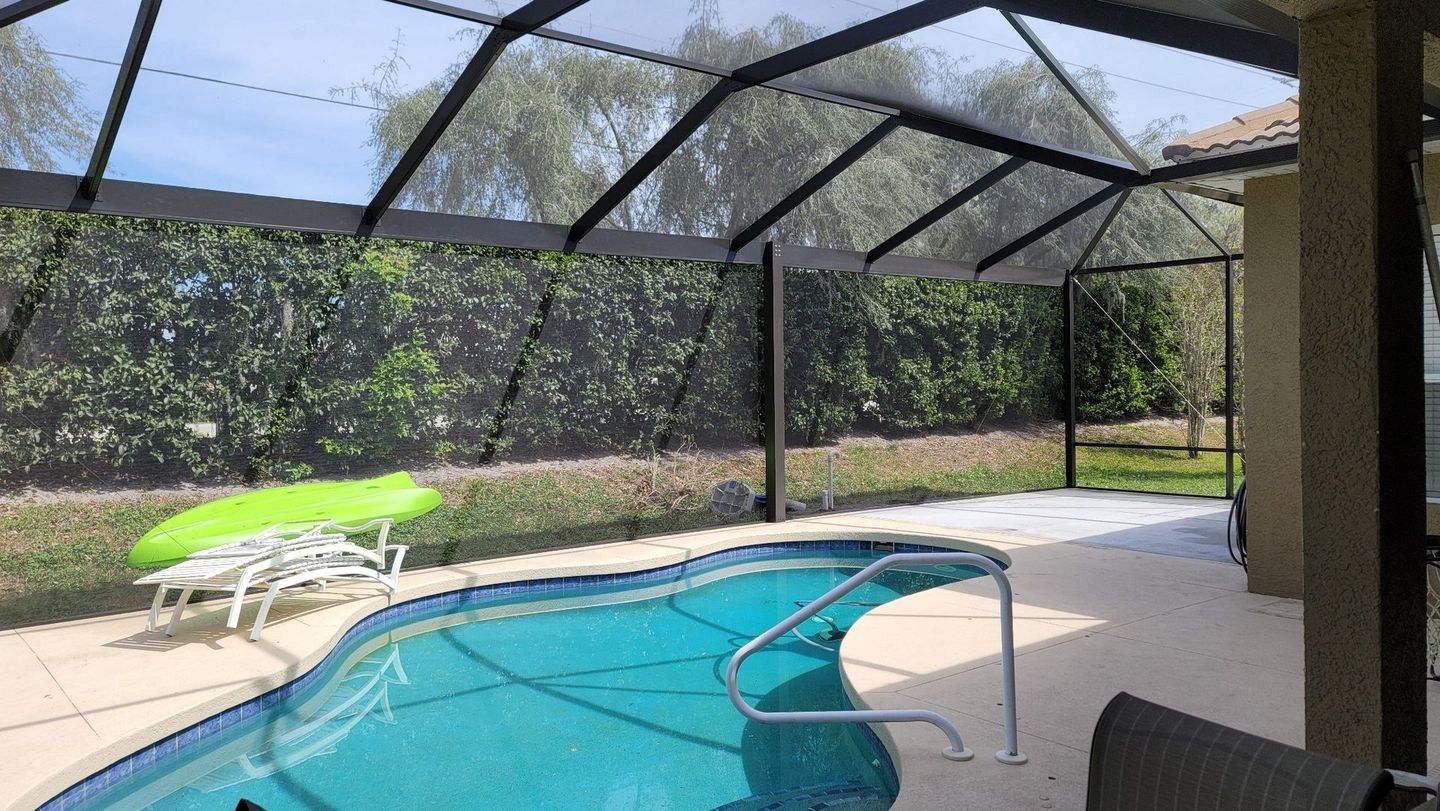
This is where coverage can make a major difference. A covered patio, screen enclosure, or pergola with a thoughtful roofline may allow one or two TVs to be used comfortably, while an open deck might only support one usable viewing area. The question is not simply how many screens fit. It is how many screens can be watched without frustration.
You also need to think about where people will sit. If two TVs face each other across a narrow deck, viewers may end up fighting for attention, and one screen may be visible only to a small portion of the space. Sometimes the best answer is to place one outdoor TV where it can serve the entire deck, then use portable speakers or a separate media zone for secondary activities.
Choosing the Right Number for Your Outdoor Living Goals
Start by deciding how the deck will be used. A family that gathers for one football game at a time may only need one TV. A household that hosts multiple conversations, game-day viewing, or mixed-age gatherings might want two distinct zones. A homeowner creating a full outdoor entertainment area may want more flexibility, but that should be balanced against maintenance and visual clutter.
Consider these practical planning questions:
- Will the TVs serve the same event or different activities?
- Are you trying to entertain a crowd or just improve family downtime?
- Do you want the screens visible from a dining area, a lounge area, or both?
- Is the deck open, covered, screened, or partially enclosed?
- Will the placement still work in bright midday sun?
In many cases, homeowners discover that one well-placed outdoor TV is enough. In others, two makes a deck feel more functional and balanced. More than two can work in a larger entertainment setting, but the layout should be designed carefully so the space still feels inviting rather than cluttered.
If you are renovating the surrounding structure at the same time, that is when an outdoor living contractor can be useful. Screened openings, aluminum framing, gutters, fascia, and awnings may all influence where a screen can go and how well it will perform over time.
What a Contractor Can Help You Evaluate
A contractor working on outdoor structures can help with the non-electrical parts of the project, such as framing compatibility, mounting location, shade, weather exposure, and how the TVs fit into the overall design. That is especially helpful if the deck has an aluminum screen enclosure, patio cover, pergola, or similar feature.
A site visit can help answer questions like:
- Which wall or post location is most appropriate for mounting?
- Will the TV be visible from the main seating area?
- Is there enough overhead cover to reduce weather exposure?
- Are there opportunities to improve shade and comfort nearby?
- Would a different outdoor structure make the TV setup more practical?
For homeowners near the Gulf Coast, material selection matters too. Corrosion resistance and weather durability should be part of the conversation from the beginning. That is especially true for brackets, fasteners, and any exposed accessories.
Because every deck and structure is different, any final recommendation should come from a site-specific review. If you are comparing options, ask for a written estimate based on your actual layout rather than assuming a standard solution will fit.
Final Thoughts
So, how many tv’s can you have in a deck? The honest answer is: as many as the structure, wiring, weather protection, and viewing layout can safely and sensibly support. For some decks, that means one TV. For others, two or more can work well. The right number depends on how you use the space and how much outdoor protection you have.
If you want the setup to feel comfortable, durable, and easy to use, focus first on shade, mounting support, electrical planning, and the overall outdoor layout. Once those basics are solved, the number of TVs becomes a design choice rather than a guess.