
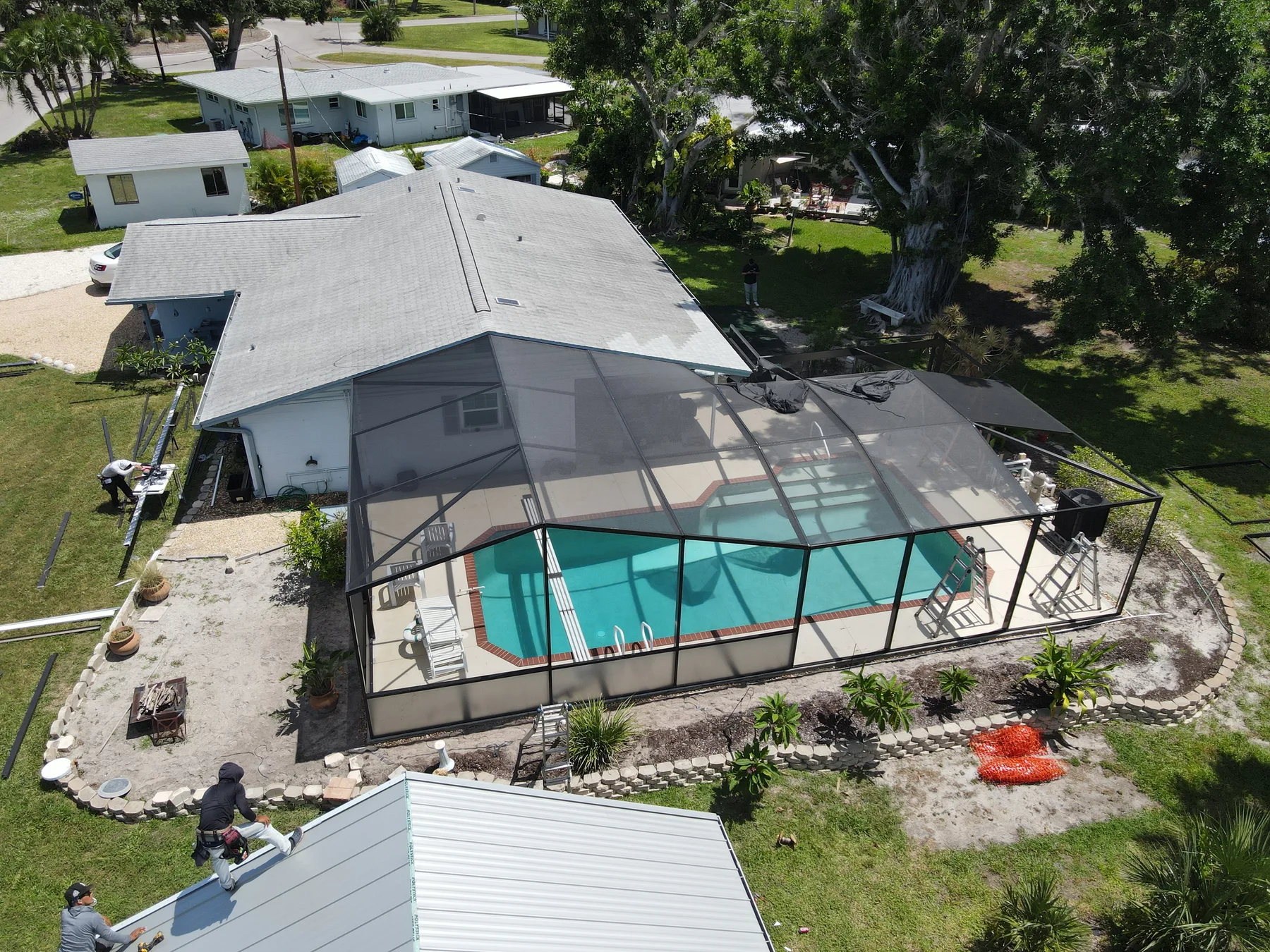
Quick Answer: If you’re wondering how to heat a sunroom in the cold winter, the best answer depends on how the room was built, how much glass or screen it has, and whether it is a true conditioned room or more of a three-season space. In Florida Gulf Coast homes, winter heating usually starts with reducing drafts, improving insulation where possible, and choosing a safe supplemental heat source that matches the room’s construction. For homeowners, the goal is comfort without overheating, moisture problems, or creating an unsafe setup in a room that was not designed like the main house.
Start With the Type of Sunroom You Have
Not all sunrooms are built the same, and that matters more than most people realize. A fully insulated, air-conditioned sunroom can usually be heated with the home’s existing HVAC system, provided the space was designed and sized for that use. A glass-heavy room with many exterior surfaces may lose heat quickly and need more than a central vent or small space heater. A screened room is different again, because it is open to airflow and is not meant to hold warm air the way an enclosed room does.
If you are trying to heat a room that was originally built as a screen enclosure or partial enclosure, first look for obvious heat loss: gaps around doors, worn weatherstripping, thin roof connections, and loose framing details. If the space has visible damage or aging components, a repair visit may help restore comfort before you add heat. In some cases, a service such as screen enclosure repair north port fl can address structural or enclosure issues that are making the space harder to use in cooler weather.
Improve Heat Retention Before You Add More Heat
The easiest heat is the heat you keep. Before buying any heater, focus on reducing drafts and improving the room’s ability to hold warmth. Start at the doors and windows. Check for air leaks around frames, especially if the room connects to an exterior patio, lanai, or pool deck. Weatherstripping, door sweeps, and proper caulking at problem joints can make a noticeable difference.
Window coverings also help. Insulated shades, thermal curtains, or even simple heavy drapes can reduce heat loss at night. If your sunroom has large areas of glass, closing coverings before temperatures drop can help the room stay comfortable longer. On the Florida Gulf Coast, where winter days may feel pleasant but evenings can cool off quickly, that daily rhythm matters.
Ceiling fans may seem like a summer-only feature, but many models have a reverse setting that gently pushes warm air down from the ceiling. That can improve comfort without adding more heat. If your room has high ceilings, this is especially useful because warm air naturally rises.
Choose a Heat Source That Fits the Space
The right heater depends on whether the room is fully enclosed, how large it is, and whether the sunroom is actually part of the home’s conditioned envelope. If the room is tied into central HVAC, a licensed HVAC professional should verify that the system can handle the added load and that airflow is balanced correctly. Duct extensions, returns, and supply placement are not DIY guesswork.
For enclosed sunrooms that are not on the main HVAC system, common supplemental options include portable space heaters, wall-mounted electric heaters, and in some homes, a mini-split system installed by a qualified professional. Each option has tradeoffs. Portable units are flexible but require careful placement and supervision. Wall-mounted options can be cleaner and more permanent, but they should be selected and installed with attention to wiring and clearances. Mini-splits can offer both heating and cooling, but they are a project for a licensed HVAC contractor, not a handyman fix.
If your sunroom is more open or still partially screened, a heater may struggle to create lasting warmth because outside air keeps entering the space. In that case, the better solution may be partial enclosure upgrades, better screening, or improved door and panel sealing rather than simply adding more heat. Heating a leaky space can become inefficient and uncomfortable fast.
Safety Matters More Than Convenience
Any heater used in a sunroom should be appropriate for the room’s construction and used exactly as directed. Keep portable heaters away from curtains, furniture, rugs, and anything else that can catch fire. Never place a heater where it can tip, block an exit, or get splashed by moisture from a pool area, condensation, or cleaning. Many sunrooms sit near patios or pool cages, so damp conditions are more common than people expect.
Electrical capacity also matters. Older sunrooms and additions may not have circuits sized for high-draw heating devices, and extension cords are not a safe long-term solution. If you are unsure whether the room’s outlets, wiring, or breaker setup can support the heater you want to use, have a licensed electrician evaluate it. This is especially important if the room has older wiring, signs of wear, or multiple appliances competing for the same circuit.
Also consider the room’s surfaces. Large expanses of glass can feel cold even when the air is warm. That can make people crank up the heat unnecessarily. Using layered comfort strategies—such as rugs, thermal window treatments, and targeted heating—can often feel better than trying to make the room match the rest of the house at all times.
Florida Gulf Coast Realities to Keep in Mind
In Florida, winter heating in a sunroom is often about evening comfort rather than all-day warmth. Many homeowners want a space they can enjoy on cooler mornings, during breezy evenings, or on the occasional cold snap. That means the best solution is often modest and practical rather than oversized.
Humidity and salt air can also affect sunroom materials over time. If the enclosure has corroded fasteners, damaged framing, worn screens, or failing seals, those issues can reduce comfort and should be addressed as part of the overall plan. A sunroom that leaks air will be harder to warm and may feel drafty even when the heater is on.
If you are considering upgrades rather than just a heater, it can help to review the broader construction picture first. Homeowners exploring a new enclosed space or major modifications can also look at how much does it cost to add sunroom guide for background on the kinds of factors that influence sunroom projects. For a specific heating decision, though, a site visit and written estimate are the only reliable way to understand what your room actually needs.
When to Call a Professional
You should bring in a professional when the sunroom is not holding temperature, when the structure has leaks or damage, or when you are thinking about tying heating into existing electrical or HVAC systems. Structural issues, electrical upgrades, and HVAC changes all need the right licensed trade. If the room is part of a screen enclosure or aluminum structure, repairs to framing, panels, doors, or enclosure components may need to happen before heating improvements will make sense.
A local contractor can help you decide whether the best answer is more insulation, better seals, a supplemental heater, or repairs to the enclosure itself. The right fix is rarely just “buy a bigger heater.” It is usually a combination of reducing heat loss and selecting a safe, suitable heat source.
Final Thoughts
Heating a sunroom in winter is less about one magic product and more about matching the solution to the room. Start by sealing drafts, improving coverings, and checking whether the room is truly enclosed. Then choose a heating method that fits the structure and use the room safely. On the Florida Gulf Coast, the most effective approach is often a practical one: keep the heat you already have, add only the supplemental heating the space can support, and have a licensed professional review any electrical, HVAC, or structural concerns before you commit to a change.