
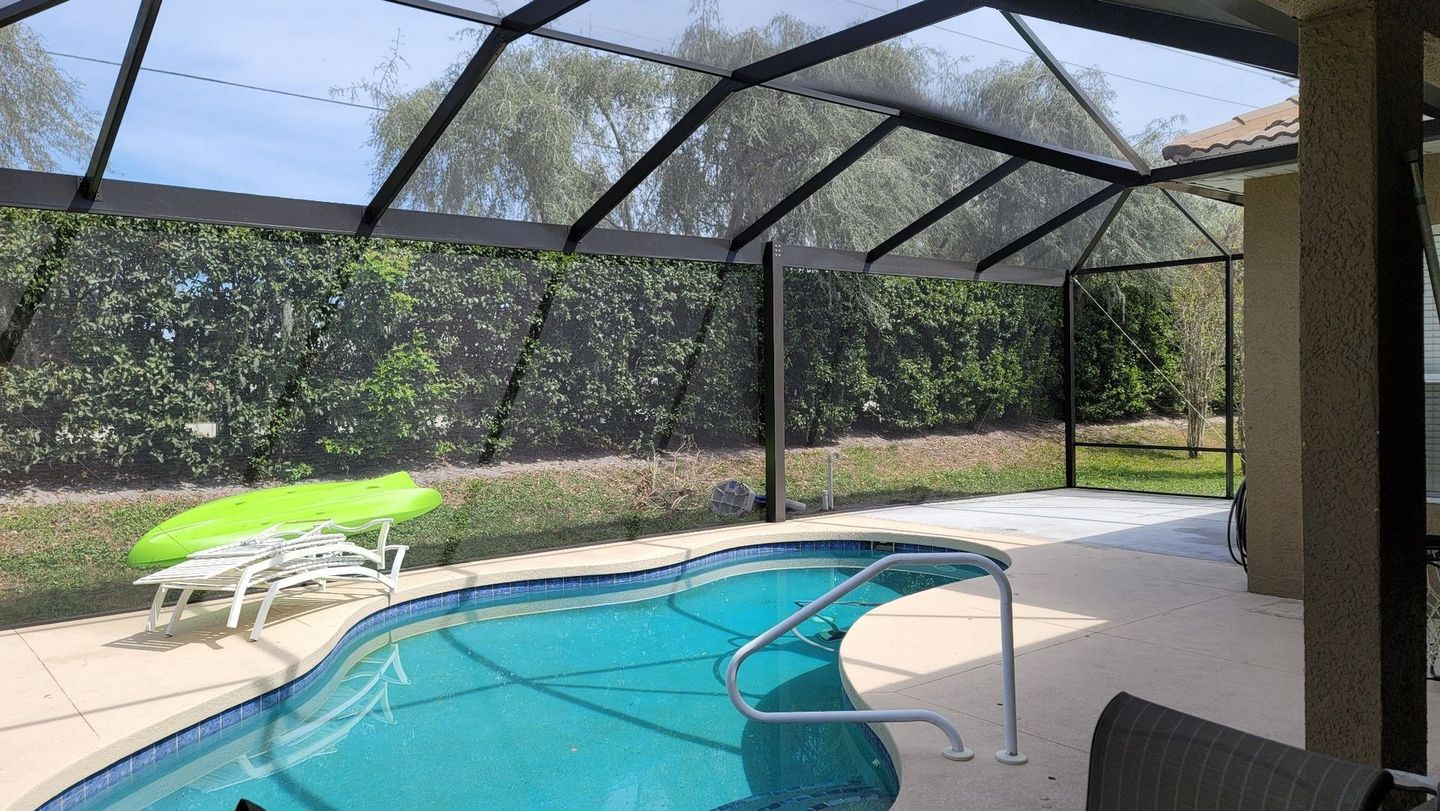
Quick Answer: To how to keep no see ums out of a screened porch, the most effective approach is to reduce the size of the openings they can slip through, seal the gaps where the porch meets the house and floor, and manage the porch environment so it is less attractive to these tiny biting pests. No-see-ums, also called biting midges, are much smaller than mosquitoes, so a porch that looks “screened” may still let them in if the mesh is too open, the frame has gaps, or the screen fabric is damaged. In Florida’s Gulf Coast climate, where warm, humid evenings can bring heavy insect activity, homeowners often need a layered approach rather than one fix.
Why no-see-ums get into screened porches
A standard screened porch can keep out larger insects well, but no-see-ums are tiny enough to pass through many common screen openings. If you are noticing bites even when the porch is fully enclosed, the issue may not be a single hole. It can be any combination of screen openness, loose spline, worn corner joints, gaps around doors, unsealed transitions at the slab or deck edge, or openings where utilities, posts, or trim meet the structure.
Another common factor is airflow. Strong breezes can carry these pests into a porch area if there are weak points in the enclosure. On the Gulf Coast, the evening air can also draw insects toward lights, plants, and damp areas near the porch. That means even a well-built porch can still feel “buggy” if the enclosure, lighting, and surrounding landscape are not working together.
If you want a broader overview of porch insect control, this how to keep bugs out of a screened porch guide can help you think through the bigger picture.
Use the right screen mesh for the job
The most important upgrade for keeping no-see-ums out is screen selection. Standard porch screen is often fine for larger insects, but it may not be tight enough for biting midges. Homeowners usually need a finer mesh designed specifically for smaller pests. The tradeoff is that tighter mesh can reduce airflow and visibility somewhat, so the right choice depends on how the porch is used and how much breeze the homeowner wants to preserve.
When considering a re-screen, think about these factors:
- Mesh opening size: Smaller openings block tiny insects better.
- Airflow: Finer mesh can feel less breezy, especially on still evenings.
- Visibility: Tighter mesh may slightly soften outward views.
- Durability: Some products hold tension and wear better than others in coastal conditions.
If your porch is older or has multiple patched sections, a full re-screen may perform better than repeated spot repairs. For homeowners comparing options, an experienced screen room contractor north port fl can evaluate whether the existing frame and panels can handle a finer screen material or whether other repairs should happen first.
Seal the weak points around the porch
Even the best screen material will not solve a gap problem. No-see-ums often find their way in through the small places people overlook because they are too tiny to notice. That is why sealing matters just as much as the mesh itself.
Focus on these common entry points:
- Door frames and closers: A porch door that does not latch tightly can leave a thin opening.
- Bottom rails and floor transitions: Small gaps where the screen wall meets the slab or deck edge can become entry routes.
- Corners and seams: Screen spline can loosen over time, especially in sun and humidity.
- Around posts and trim: Any unfinished transition between framing members can create a path inside.
- Penetrations and attachments: Openings around conduit, lights, fasteners, or accessories should be checked carefully.
If the porch is attached to the home, the junction between the screened area and the house exterior deserves special attention. Caulk, weatherstripping, and properly fitted trim can help, but the materials and methods should match the structure. If there are structural concerns, water intrusion, or rotted framing, those issues should be addressed before insect sealing, because a cosmetic fix will not last if the substrate is failing.
Cut down the things that attract no-see-ums
A screened porch can still feel insect-heavy if the environment around it is inviting. In Florida, moisture and plant growth can create ideal conditions for biting midges. Managing the area around the porch can make a noticeable difference.
Start with these habits:
- Reduce standing water: Empty plant saucers, buckets, and other containers that collect water.
- Trim dense vegetation: Keep shrubs, groundcover, and vines from crowding the screen.
- Limit damp organic debris: Wet leaves and mulch right against the porch can attract insects.
- Adjust lighting: Bright white lights can draw bugs toward the porch area at night. Softer, more targeted lighting is often less inviting.
- Improve drainage nearby: Areas that stay wet after rain can keep insect pressure high.
It also helps to keep the porch clean and dry. Food spills, pet bowls, and moist cushions can all contribute to an environment that feels more appealing to pests. While no-see-ums are not “caused” by these items, reducing attractants makes the porch less comfortable for insects and more pleasant for people.
Repair damage before it becomes a bigger problem
A torn screen panel or loose frame section may seem minor, but for no-see-ums it can be enough. Because these insects are so small, even a gap you might consider insignificant can defeat the enclosure. Prompt repairs are especially important after storms, strong winds, or pressure washing, when screen tension and frame connections may shift.
Look for:
- Small tears near corners or door edges
- Sagging panels that no longer stay tight
- Spline pulling away from the frame
- Bent aluminum members
- Loose fasteners or worn hardware on doors and latches
If you notice recurring damage in the same spot, the problem may be more than the screen fabric. It could involve frame movement, improper tension, or a door that is not closing squarely. In that case, a repair focused only on the torn panel may not hold up long term.
When a porch needs more than a quick fix
Sometimes the answer to how to keep no see ums out of a screened porch is not a simple patch. If the enclosure is older, has repeated insect complaints, or has multiple areas of wear, a more thorough inspection can help identify whether the issue is the screen type, the installation, or the surrounding structure.
That is especially true on the Florida Gulf Coast, where salt air, humidity, sun exposure, and storm seasons can all shorten the life of porch materials. Aluminum framing and screened enclosures can perform well in this environment, but only when the components are in good condition and properly maintained. If you are unsure whether the issue is the mesh, the framing, or the door system, a site visit is usually the best next step.
Costs for repairs or upgrades depend on the size of the porch, the screen material selected, how much of the enclosure needs replacement, and whether additional framing or hardware repairs are needed. Because every porch is different, homeowners should request a site-specific written estimate rather than trying to compare a one-size-fits-all number.
Final Thoughts
Keeping no-see-ums out of a screened porch usually takes a combination of finer mesh, tighter seals, and better upkeep around the enclosure. If the porch already has good screen coverage but the bugs still get through, the weak point is often a small gap, a worn door, or the wrong screen material for tiny insects. For Florida homeowners, especially along the Gulf Coast, it is worth treating the porch as a system: the screen, the frame, the door, the drainage, and the surrounding landscape all play a role. With the right adjustments, a screened porch can be much more comfortable during the times of day when no-see-ums are most active.