
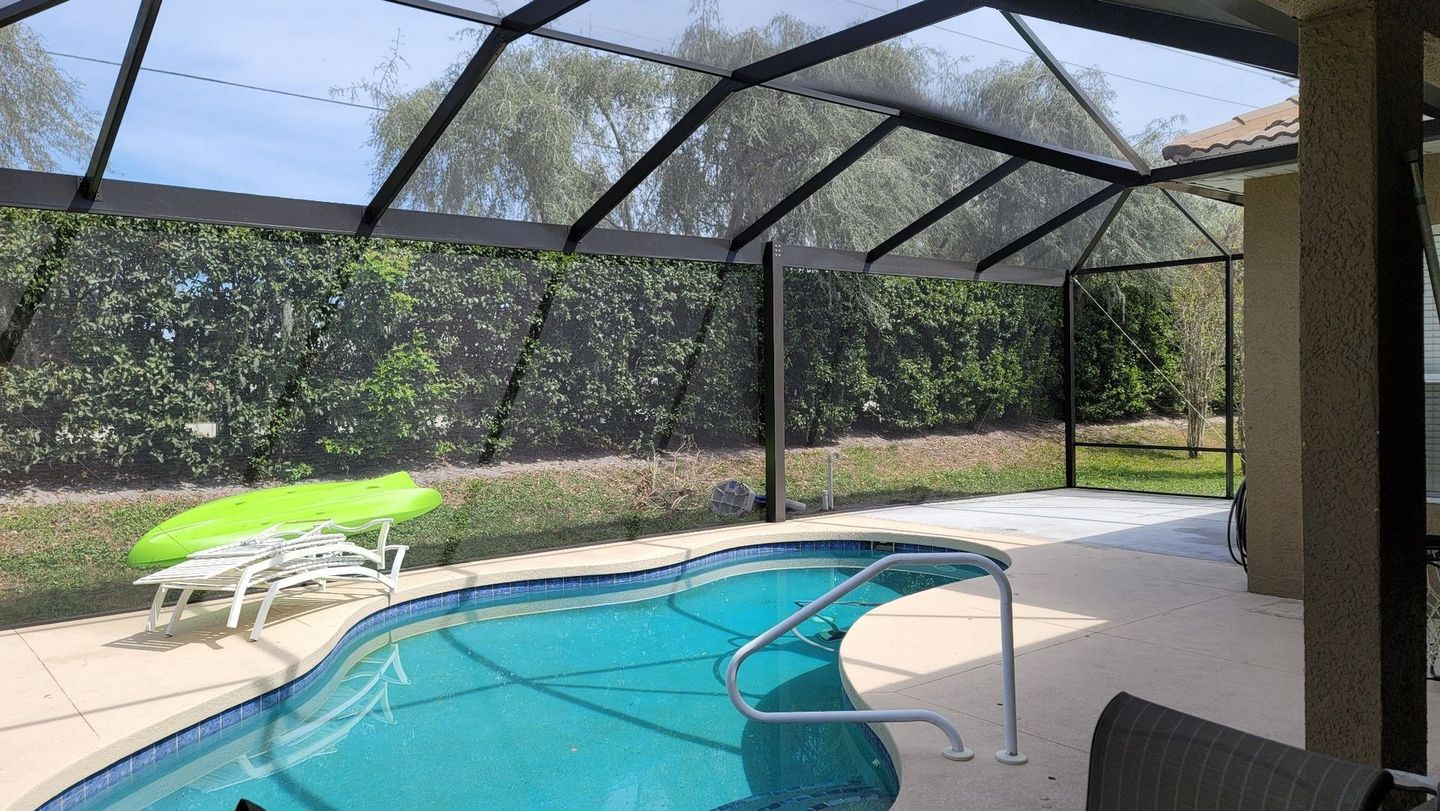
Quick Answer: If you want to reduce heat in a screened porch, focus on blocking sun before it reaches the space, improving airflow, and choosing materials and accessories that stay cooler in Florida’s humidity and salt-air climate. If you are specifically asking how to reduce heat in a screened porch, the most effective approach is usually a combination of shade, ventilation, and reflective or lighter finishes rather than one single change. On the Gulf Coast, screened porches often feel hottest when they face strong afternoon sun, have dark surfaces, or rely on still air instead of cross-breezes. The good news is that you usually do not need a full rebuild to make the space more comfortable.
Why Screened Porches Get So Hot
A screened porch is designed to let air move through while keeping insects out, but that open design also means it does not hold conditioned air the way an enclosed room does. In Florida, that can create a few familiar problems. Direct sun hits the floor, railing, roof surfaces, and framing. Humid air can linger if the porch has poor circulation. Dark surfaces absorb heat and radiate it back after sunset. Even the type of screen matters, since some meshes reduce airflow more than others.
On the Gulf Coast, the late afternoon sun can be especially tough because it strikes at lower angles and often comes with heat that lingers into the evening. If your porch is attached to the home, nearby windows and exterior walls can also add to the warmth. Before changing anything, it helps to notice when the porch feels hottest. Is it only during peak sun? Is it worse when the wind is still? Do certain areas, like the far corner or the seating zone, feel hotter than others? Those clues point to the right solution.
Start by Blocking Heat Before It Enters
The most effective way to reduce heat in a screened porch is to reduce solar gain. Once the sun heats a slab, furniture, or roof surface, that heat stays around for a while. Shade is usually the first thing to consider.
Exterior shading can make a big difference. Retractable screens, awnings, and exterior shades can help cut direct sun without closing off the porch completely. If the porch gets a strong western exposure, side shading can be especially useful in the late afternoon. Even small changes, such as shading one wall or the roof edge, can improve comfort noticeably.
Roof design also matters. A porch with a solid insulated roof typically behaves differently than one with lighter coverage or more exposed surfaces. If you are planning a new structure or major update, a screen enclosure contractor sarasota fl can help you think through shade, exposure, and layout in a way that fits the home and the site.
For homeowners who are not ready for structural changes, simple additions can still help. Light-filtering outdoor curtains, sun sails used in a way that does not interfere with the enclosure, and strategically placed landscape shade can reduce direct sunlight. Just make sure any added elements are suitable for wind exposure and do not interfere with screen panels, doors, or drainage.
Improve Airflow and Ventilation
Heat feels worse when air is still. A screened porch is supposed to breathe, but airflow can be limited by porch orientation, solid furniture placement, or screens that restrict movement more than expected. Improving ventilation is often one of the most practical ways to make the space feel cooler.
Ceiling fans are one of the most useful additions for a screened porch, provided they are rated and installed appropriately for the location. Fans do not lower the air temperature, but they help sweat evaporate faster, which makes the porch feel more comfortable. In humid climates, that movement can be the difference between an unusable porch and a pleasant one. If the porch already has a fan, check whether the blades are moving enough air for the room size and whether furniture or hanging items are blocking the breeze.
Cross-ventilation also helps. Try to keep pathways open so air can move from one side of the porch to the other. Avoid placing tall storage pieces directly in front of screen openings. If there are multiple entry points, use them to encourage movement through the space instead of trapping air in one corner.
Screen type can affect airflow as well. Some screen products are designed for durability, pet resistance, or better visibility, while others are chosen for tighter insect control. If heat is a major concern, ask about screen options that balance airflow with the level of protection you want. That conversation is often worth having when replacing damaged panels or planning a larger repair.
Choose Cooler Surfaces, Finishes, and Furnishings
The materials and colors in your porch affect how much heat it absorbs and how hot it feels underfoot. Dark surfaces tend to hold more heat, especially in full sun. Light-colored flooring, ceiling finishes, and trim can help reflect sunlight rather than absorb it.
Furniture choice matters too. Metal chairs and dark woven pieces can become uncomfortable quickly in direct sun. Cushioned seating with breathable outdoor fabrics often feels better, especially if the cushions are stored out of the weather when not in use. If your porch gets a lot of afternoon sun, avoid placing seating in the hottest zone unless you have shade there.
Flooring is another factor. Concrete slabs can store heat, and pavers or coated surfaces can feel hotter depending on color and exposure. Rugs may make the space feel more inviting, but some outdoor rugs can trap warmth or moisture. If you use one, make sure it can dry quickly and does not create a damp, sticky feeling in humid weather.
Ceiling color can also influence comfort. A lighter ceiling often feels more open and reflective than a dark one. This is a simple visual choice, but in a sunny climate, the right finish can support the overall cooling strategy.
Make Small Adjustments That Add Up
Sometimes the best solution is a combination of modest changes rather than one big fix. For example, a porch with afternoon sun may benefit from a fan, a lighter finish, and an exterior shade all at once. None of those changes has to be dramatic on its own to improve the experience.
Plants can help in the right places. Potted greenery or a properly planned landscape buffer can soften reflected heat and create a more comfortable feel around the porch perimeter. Just avoid crowding the enclosure or placing plants where they block airflow. In coastal Florida, choose plants that can handle salt exposure and intense sun if the porch is near open water or exposed to wind.
If you use your porch year-round, think about how the space performs in different seasons. A solution that helps in July should not make the porch unpleasant in February. For example, heavy shading may be great in summer but may limit pleasant winter sun. Retractable or adjustable options can be especially useful because they let you adapt as the season changes.
If you are weighing whether to invest in updates, it can help to separate comfort improvements from long-term planning. A screened porch is often valued for outdoor living appeal, but any discussion of resale should stay grounded in the home, the neighborhood, and the condition of the structure. If that is part of your thought process, this does a screened in porch add value guide can help frame the bigger picture without overpromising results.
When to Call a Professional
If the porch feels hot because of damage, missing components, or poor design, a professional assessment may be the safest next step. Sagging screens, loose framing, damaged roof sections, water intrusion, or rusted fasteners can all affect comfort and performance. In those cases, the issue is not just heat; it may be a structural maintenance concern.
A contractor experienced with aluminum and screen structures can help evaluate whether the porch needs repair, upgraded screening, better shading, or a layout change. For cost, the main drivers are usually the size of the porch, the condition of the existing structure, the type of shade or screening chosen, access to the work area, and whether any components need repair before upgrades can be added. Because every porch is different, the most reliable approach is a site-specific written estimate rather than guessing from general averages.
If the project involves electrical changes for fans or lighting, a licensed electrician should handle that work. If there are questions about structural load, roofing, permits, or fire-safety clearance, those should go to the appropriate licensed professional or local authority.
Final Thoughts
You can reduce heat in a screened porch by tackling the problem from three angles: block sunlight, move air, and use cooler materials and finishes. In Florida’s Gulf Coast climate, those choices matter even more because sun, humidity, and still afternoons can make a porch feel much hotter than the actual air temperature. Start with the simplest improvements first, then decide whether shading, screening updates, or structural changes make the most sense for your home. A comfortable screened porch is usually the result of a few smart decisions working together, not one single fix.