
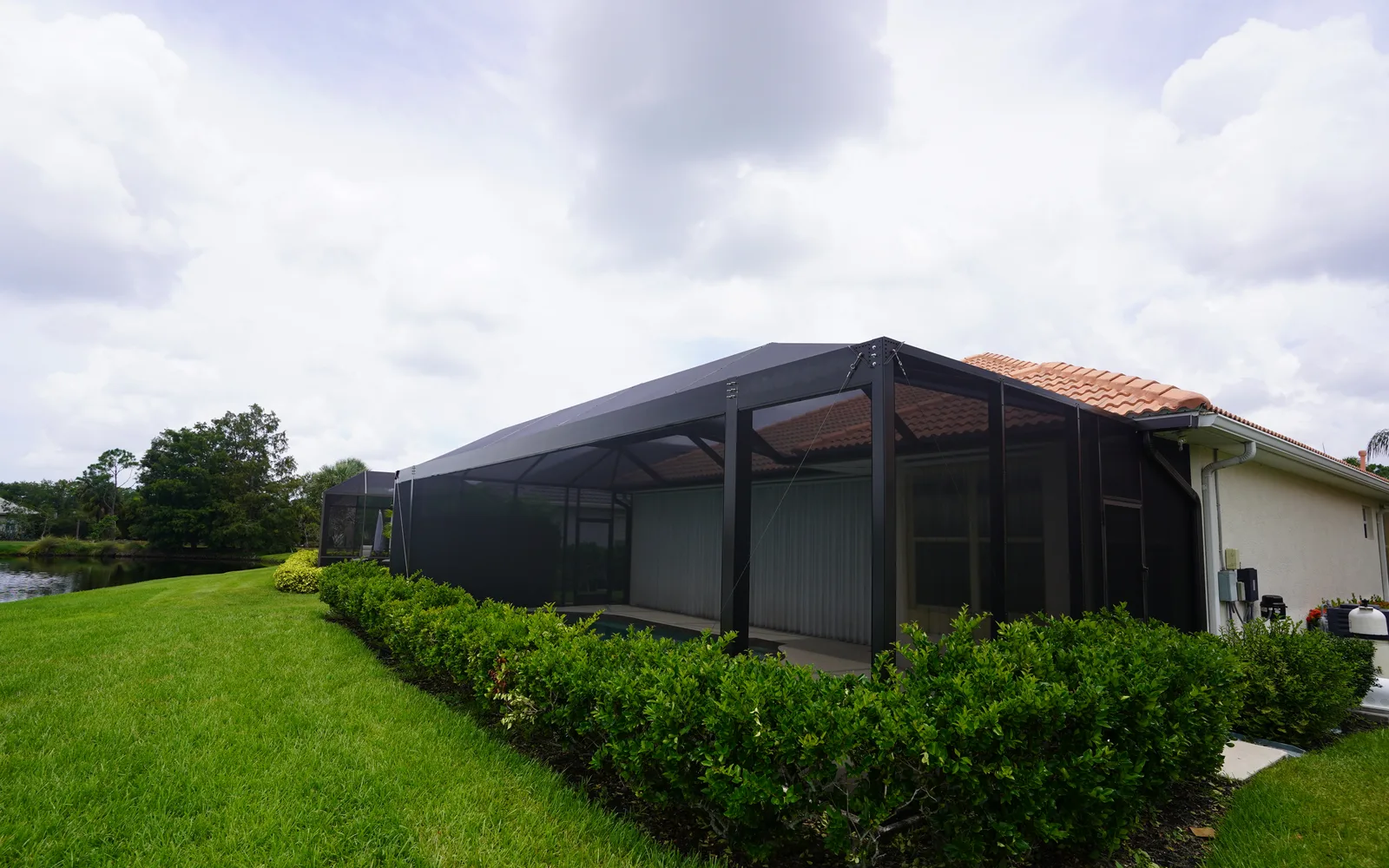
Quick Answer: how to repair a screen door usually means tightening loose hardware, replacing worn screen mesh, fixing sagging hinges or latches, and making sure the frame is still square enough to operate smoothly. For homeowners, the best repair path depends on whether the problem is the screen itself, the door frame, the rollers, or the closure hardware. In Florida’s Gulf Coast climate, salt air, humidity, and frequent use can speed up wear, so a simple repair can turn into a full replacement if the frame is corroded or bent beyond a practical fix.
Start by figuring out what is actually broken
A screen door that sticks, drags, or rattles is not always a “screen” problem. Before you buy parts, inspect the door from top to bottom. Open and close it slowly and watch for gaps, rubbing, or wobbling. Check the frame corners, the hinge side, the latch side, the closer, the handle, and the spline holding the mesh in place.
Common issues include torn mesh, loose screws, a damaged closer, sagging hinges, a bent frame, or a latch that no longer lines up with the strike plate. If the mesh is intact but the door will not close cleanly, the hardware or alignment is usually the issue. If the frame is visibly twisted, split, or heavily corroded, repair may be limited because the door needs to stay square to work correctly.
A practical first step is to clean the door and frame. Dirt, oxidation, sand, and salt buildup can make a small issue look bigger than it is. Once the door is clean, you can tell whether the problem is minor wear or actual structural damage.
How to repair torn or loose screen mesh
If the screen itself is torn, loose, or bubbling, the repair usually involves replacing the mesh rather than patching it. Small patches may help in a pinch, but they rarely look clean and often do not last. For a better result, remove the old spline and mesh, then install new screening material sized for the door.
A typical repair sequence looks like this:
- Remove the door if needed and place it on a flat work surface.
- Pry out the old spline with a small tool.
- Pull the old mesh free.
- Lay new screening over the opening with a little extra material on all sides.
- Press the spline into the groove gradually, keeping the mesh taut but not stretched too hard.
- Trim the excess mesh with a sharp utility knife.
The key is even tension. If the screen is too tight, it can warp or “drum” in the frame. If it is too loose, it will sag and catch on the latch side. A clean spline installation makes the door look better and helps it last longer.
If the screen frame is dented or the spline channel is damaged, replacement of the frame section or the whole door may be more practical than trying to force a weak frame to hold new mesh. That is especially true on older aluminum doors exposed to coastal weather.
Fixing hinges, latches, closers, and alignment
Many screen door complaints come from hardware that has loosened over time. Hinges can shift, screws can back out, and the closer can lose its tension. Start by tightening all visible screws, including hinge screws, handle screws, and closer hardware. If the screw holes are stripped, the fastener may not bite anymore and the door will continue to sag.
A sagging door often means the hinge side is no longer carrying the weight evenly. Replacing worn hinges or using properly sized fasteners can help restore alignment. In some cases, shifting the strike plate slightly or adjusting the closer solves the issue without replacing major parts. If the door slams shut too hard, the closer may need to be adjusted so it opens and closes more smoothly.
The latch is another common trouble spot. If the handle feels fine but the door will not stay closed, the latch may not be reaching the strike plate because the door dropped out of square. Fixing the hinge alignment first is usually smarter than forcing the latch to compensate.
If you are considering nearby exterior screen repairs at the same time, it can help to assess whether the door issue is isolated or part of a broader opening problem. For homeowners comparing options in the region, pool screen repair venice fl may be relevant when the door problem is connected to a larger screened enclosure rather than just a standalone entry door.
When a bent frame means replacement instead of repair
A screen door frame can sometimes be straightened if the bend is minor, but severe warping or corrosion changes the equation. Aluminum is durable, but it can dent, twist, or fatigue after years of use, especially in humid and coastal environments. If the frame no longer sits square, the mesh may not install correctly and the door may never close evenly.
Signs that replacement may be the better option include:
- the door rubs even after hinge adjustments
- corners are loose or separated
- the frame is visibly bowed
- corrosion has weakened the metal around fasteners
- the door no longer matches the opening size
A bent frame is not always a do-it-yourself repair, especially if the door is part of a larger screened structure or if the opening itself may be out of square. In those cases, a professional can determine whether the frame can be corrected or whether a new door will perform better over time. If you are looking at related structural damage in an aluminum enclosure, can you repair a bent pool cage frame guide can help you think through what is repairable and what may need replacement.
Cost drivers and what affects the scope of work
Homeowners often want to know what a screen door repair will cost, but the answer depends on the actual condition of the door. The main cost drivers are the size of the door, the type of mesh, whether the frame is reusable, whether hardware must be replaced, and whether the opening needs alignment work. Labor can also vary depending on access, corrosion, and whether the door is part of a simple entry or a larger screened enclosure.
A basic screen replacement is different from a door that needs new hinges, a new closer, a fresh latch set, and frame correction. If the frame is damaged, the work can shift from a small repair to a full replacement. Because each door is different, a site-specific written estimate is the most reliable way to understand the scope. That approach also helps clarify whether the repair is limited to the door itself or involves the surrounding structure.
For Florida Gulf Coast homes, it is worth asking whether salt exposure, moisture, and frequent storm-season use have contributed to the problem. Those conditions can shorten the life of fasteners and hardware even when the mesh itself still looks acceptable.
DIY vs. calling a pro
Many screen door repairs are manageable for a handy homeowner, especially if the issue is a torn mesh, loose screws, or a simple latch adjustment. Basic tools and a careful approach are often enough for routine maintenance. If you are replacing the mesh, the most important things are patience, a flat work surface, and the right spline size.
That said, professional help can make sense when the door is badly warped, the frame is corroded, the opening is no longer square, or the door is tied to a larger screen system. If the surrounding enclosure has structural damage, patching the door alone may not solve the underlying problem. Also, if the issue involves electrical components, storm damage, fire safety concerns, or a manufactured-home structure, it should be reviewed by the appropriate licensed professional or local authority.
A qualified screen contractor can usually tell you whether the door can be repaired cleanly or whether replacement will save time and frustration. That is often the difference between a quick fix and a repair that keeps failing.
Final Thoughts
How to repair a screen door comes down to diagnosing the real problem first: the mesh, the hardware, or the frame. Small issues like torn screening, loose screws, and worn latches are often straightforward. Bigger issues like bent frames, heavy corrosion, or repeated misalignment usually point to replacement instead of another patch job. For Florida homeowners, coastal weather can speed up wear, so regular inspection and timely repair can help a screen door stay functional longer. If the damage extends beyond the door itself, a careful on-site evaluation is the best next step.