
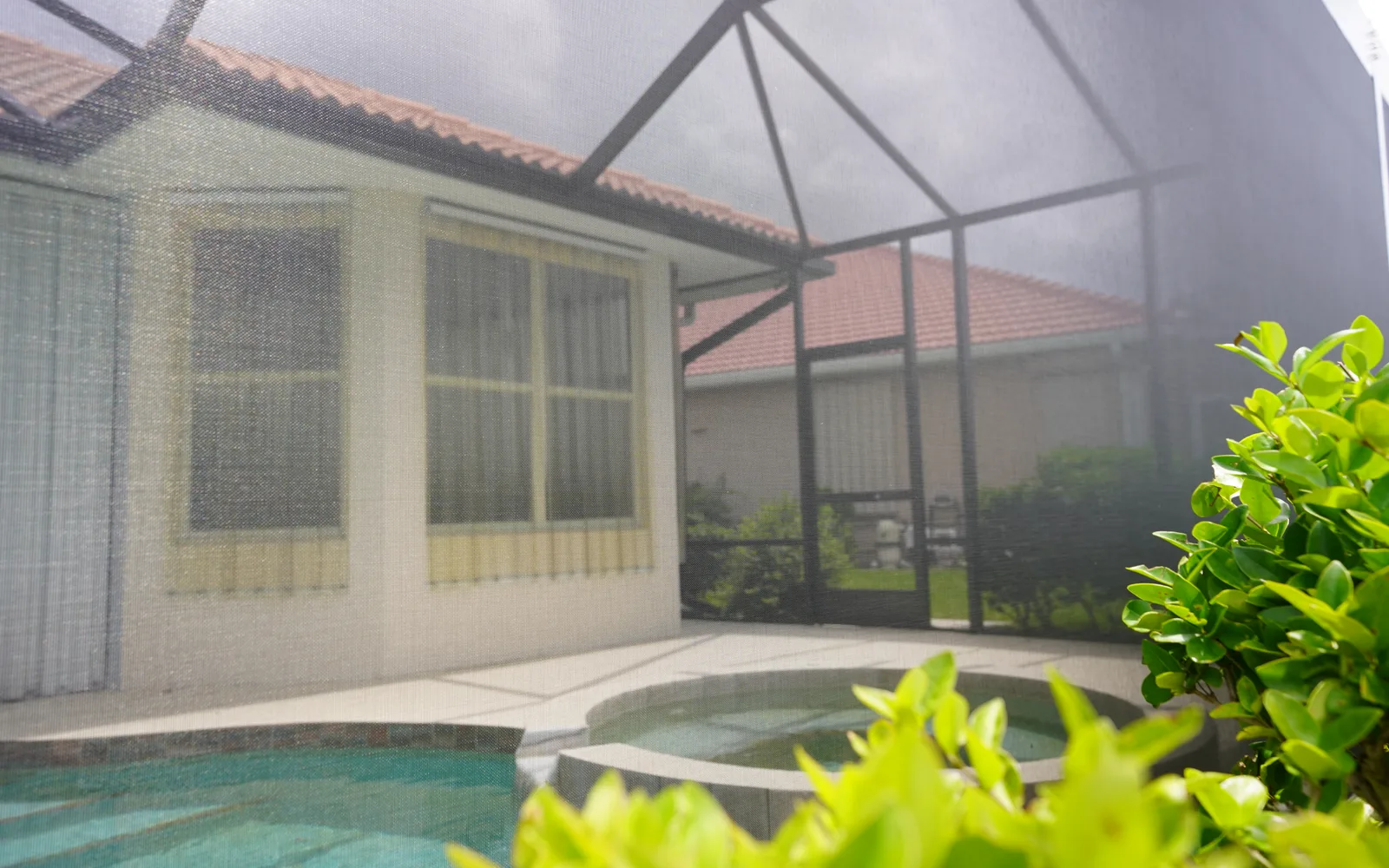
Quick Answer: pool cage screw replacement florida is a common maintenance task for homeowners whose screen enclosure fasteners have corroded, loosened, or started staining the frame. In Florida’s coastal and Gulf Coast environment, screws and other exposed fasteners can wear out faster because of humidity, salt air, heavy rain, and years of sun exposure. Replacing the right screws can help restore a tighter, cleaner-looking structure, but the job is only a good fix if the rest of the enclosure framing is still in sound condition. If you notice rust streaks, wobbling members, loose panels, or repeated fastener failure, it is worth having the enclosure inspected by an experienced aluminum professional before the problem spreads.
Why screws fail on pool cages in Florida
Pool cages live in one of the harshest environments for metal fasteners. Even when the frame itself is aluminum, the screws that hold the enclosure together may corrode, back out, or break down over time. On the Florida Gulf Coast, the combination of moisture and salt in the air can accelerate corrosion, especially around coastal neighborhoods and homes close to open water.
Several factors can shorten screw life:
- Age of the enclosure: Older cages often have original fasteners that have simply reached the end of their service life.
- Corrosion exposure: Rain, sprinklers, pool chemicals, and salt air all work against exposed screws.
- Improper replacement materials: Using the wrong screw type can lead to premature rusting or galvanic corrosion.
- Frame movement: Wind, thermal expansion, and normal settling can loosen fasteners over time.
- Hidden moisture: Water can collect in joints or around fastener holes and speed up deterioration.
If you are seeing orange staining, missing screw heads, or screws that spin without tightening, those are common signs the fasteners need attention. A simple replacement may solve the immediate issue, but the underlying reason for the failure matters too.
Signs you may need screw replacement
Not every loose screw means your entire pool cage needs major work. Sometimes the issue is limited to a few fasteners. Other times, the fasteners are only one symptom of a broader maintenance problem. Homeowners can often spot the early warning signs from the ground.
Watch for these clues:
- Rust or dark streaks running down the frame
- Screws that appear stripped, missing, or lifted
- Loose screen panels or rattling sections during wind
- Gaps at joints where frame members should sit tight
- Visible corrosion around screw heads
- Repeated need to retighten the same areas
- Screws that break off when touched or during maintenance
If your enclosure is still stable but has isolated fastener problems, screw replacement may be a practical repair. If the frame is bent, cracked, or heavily oxidized, the fix may need to go beyond fasteners alone.
What a proper replacement usually involves
A careful screw replacement project is more than pulling a few rusty screws and installing new ones. The installer should look at the enclosure as a system and check whether the surrounding metal, screens, and connections are still in usable condition.
A typical process may include:
- Inspection of the affected areas to determine whether the problem is isolated or widespread.
- Removal of deteriorated fasteners without damaging the aluminum framing.
- Selection of appropriate replacement screws suited for exterior aluminum structures and Florida weather conditions.
- Cleaning and prep of the holes and surrounding surfaces so the new fasteners seat correctly.
- Installation and testing to make sure the connection is snug and the frame remains aligned.
- Review of any related repairs if the screw damage has affected screen retention, braces, or adjacent members.
The right approach depends on the enclosure design, the condition of the frame, and the location of the failure. Some screws are easy to access; others are tucked into corners or tied into structural connections that require more careful handling. If you are looking for help from an aluminum contractor north port fl, it is usually best to share photos and describe where the rust or looseness is showing up so the contractor can decide whether the issue is localized or broader.
Cost factors homeowners should expect
Because every enclosure is different, cost should be discussed through a site-specific written estimate rather than guessed online. The price of pool cage screw replacement in Florida is influenced by several practical factors, including:
- How many fasteners need replacement
- Whether screws are accessible or difficult to reach
- The amount of corrosion present
- Whether damaged holes need repair or enlargement
- Whether other parts of the enclosure need attention at the same time
- The height, size, and layout of the cage
- Whether matching hardware is available for the existing frame system
A larger enclosure with widespread corrosion will naturally take more time and materials than a small repair in one corner. If the fasteners are failing because the enclosure has broader wear, the work may extend into structural maintenance, screen repair, or hardware replacement. Homeowners should ask for a written estimate that clearly explains what is included and what is not, so there are no surprises once the job begins.
When screw replacement is not enough
Replacing screws can improve appearance and function, but it is not a cure-all. In some cases, fasteners are failing because the frame or connections have more serious deterioration. If the aluminum is badly pitted, distorted, or compromised at the joints, new screws may not hold properly.
You may need a deeper evaluation if you notice:
- Bent or twisted frame members
- Cracks at connection points
- Multiple loose sections across the cage
- Screen failures combined with frame movement
- Fasteners that will not bite into the material
- Noticeable instability during wind or use
This is especially important after storms or years of exposure in coastal areas. A qualified enclosure professional can determine whether the issue is a straightforward maintenance repair or part of a larger structural service. For homeowners comparing repairs, it can also help to review basic guidance like the do you need a permit for a pool cage in florida guide so they understand when a simple repair stays in maintenance territory and when a local authority may need to be involved.
How to help your new screws last longer
Once replacement is done, routine care can help slow future deterioration. Florida weather will always be demanding, but a few habits can make a difference.
Helpful maintenance steps include:
- Rinsing the cage periodically to remove salt, dirt, and pool chemical residue
- Keeping landscape irrigation aimed away from the frame where possible
- Watching for early rust streaks or loose areas after storms
- Scheduling regular inspections if the home is near the coast
- Addressing small issues early before they spread to adjacent fasteners
It is also smart to avoid aggressive DIY fixes with mismatched hardware. A screw that looks similar may not be suitable for the application, and the wrong choice can create more corrosion or weaken the connection. If a homeowner is unsure, a professional assessment is the safer route.
Final Thoughts
Pool cage screw replacement florida is one of those repairs that can look minor from a distance but matter a lot for the long-term condition of the enclosure. When fasteners corrode or loosen, the result can be more than cosmetic: the cage may feel less secure, screens may start to fail, and nearby hardware can wear faster. The best first step is a close inspection to see whether the damage is isolated or part of a broader maintenance issue.
For Florida Gulf Coast homes, corrosion is often the main concern, so material choice and proper installation are important. If you are dealing with rusty, stripped, or missing screws, a site-specific written estimate is the right way to understand the repair scope. And if the problem seems larger than fastener replacement alone, it is wise to have the enclosure evaluated by a qualified aluminum professional before moving forward.