
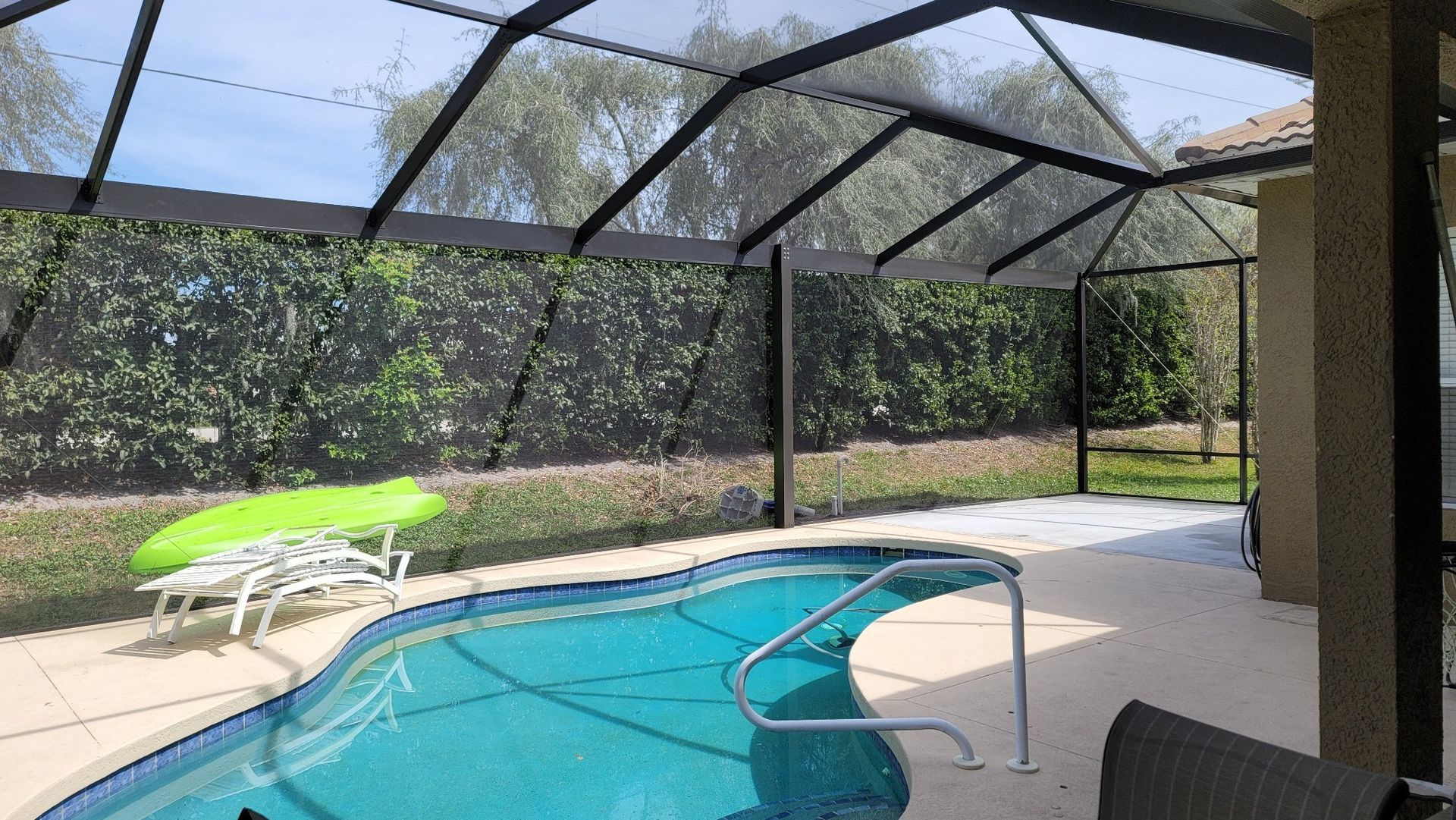
Quick Answer: The screen room vs lanai question usually comes down to structure, comfort, and how open you want the space to feel. In Florida, people often use the terms interchangeably, but they do not always mean the same thing. A screen room is typically an enclosed outdoor area screened on all sides, while a lanai is a broader term for a covered outdoor living area that may be screened, partially open, or built as part of the home’s layout. If you are comparing the two for a Gulf Coast property, the right choice depends on how you plan to use the space, how much bug protection you want, and how much exposure you are comfortable with from wind, rain, and sun.
What a Screen Room Usually Means
A screen room is generally a dedicated outdoor enclosure built with aluminum framing and screen panels. It is designed to create a protected space that still feels open to the outdoors. For many Florida homeowners, this means a patio or poolside area where they can sit, relax, and enjoy fresh air without dealing with mosquitoes, leaves, or other pests.
Because a screen room is enclosed with mesh screen, it tends to provide a more defined barrier than a simple covered patio. That makes it a practical option for homeowners who want everyday comfort, easier cleanup, and a space that feels usable through much of the year. Screen rooms are also commonly chosen around pools, where keeping debris and insects out matters.
What a Lanai Usually Means in Florida
In Florida, lanai is a familiar term, but it can mean different things depending on the home and the region. Some people use it to describe a covered patio, while others mean a screened outdoor room attached to the home. In practice, a lanai may be more open in feel than a fully enclosed screen room, or it may be a screened enclosure that was designed to blend closely with the home’s architecture.
This is why the screen room vs lanai comparison is not always about one being “better” than the other. It is often about how the space is built and how you intend to use it. A lanai can emphasize style, shade, and a seamless transition from indoors to outdoors. A screen room usually emphasizes pest control, enclosure, and everyday usability.
If you are researching a project in Southwest Florida, a term like lanai enclosure north port fl may show up because local homeowners often use “lanai” when talking about screened outdoor living areas.
Key Differences Homeowners Notice
The biggest differences between a screen room and a lanai are usually practical rather than cosmetic.
A screen room is typically:
- Fully screened on the sides
- Built for insect control and light debris protection
- Intended to create a more enclosed outdoor room
- Often used for pool areas, patios, and sitting spaces
A lanai is often:
- A more general term for a covered outdoor area
- Sometimes screened, sometimes partially open
- More closely tied to the home’s architecture and style
- Described differently depending on the neighborhood or builder
Another way to think about it is this: a screen room describes the enclosure method, while lanai describes the type of outdoor living space. In everyday conversation, people may call the same structure either one.
Which One Works Better for Florida Gulf Coast Living?
For Florida Gulf Coast homeowners, the right choice often depends on how much protection and how much openness you want.
A screen room can be a strong fit if you want:
- Fewer mosquitoes and flying pests
- A cleaner space around a pool or patio
- A more enclosed feeling for relaxing or dining outside
- Less exposure to blowing leaves and other light debris
A lanai-style space may be a better fit if you want:
- A more open outdoor feel
- A shaded sitting area that still feels connected to the yard
- A design that blends with the home’s exterior
- Flexibility in how the space is furnished and used
On the Gulf Coast, weather conditions also matter. Salt air, humidity, heat, and frequent storms can all affect how outdoor structures are maintained. Aluminum framing and properly selected screening materials are common choices for these reasons. If you are comparing existing structures or planning a repair, the condition of the frame, fasteners, screen mesh, doors, and roof structure all matter more than the label alone.
Cost Factors, Not Guesswork
If you are asking about screen room vs lanai cost, the biggest factor is not the name of the structure. It is the scope of the project. A written estimate should be based on the actual site and the actual design.
Common cost drivers include:
- The size of the enclosure
- The type and condition of the existing patio or slab
- Whether the project is a new build or a repair
- The height and layout of the structure
- The screen material and framing details
- Doors, hardware, and access features
- Replacement of damaged panels or framing components
- Conditions that affect installation access
Because every property is different, a site-specific written estimate is the right way to evaluate cost. That is especially true if the project involves repairs to an existing screen room or lanai structure, where hidden damage or wear may affect the final scope.
Maintenance and Repair Considerations
Whether you call it a screen room or a lanai, regular maintenance helps the structure last longer and continue performing well. In Florida, screen enclosures often deal with sun exposure, wind, rain, and salt in the air. Over time, screens can loosen, tear, or become brittle, and hardware may wear out.
Common maintenance concerns include:
- Torn or sagging screen panels
- Loose spline or worn fasteners
- Corrosion on aluminum components
- Damaged doors or latches
- Debris buildup on the roof or gutters
- Seal and fit issues around entry points
If your enclosure is attached to a pool area, it may also make sense to understand the typical lifespan of screened components in your climate. A resource like how long does pool screen last in florida guide can help set expectations for routine wear and replacement timing.
How to Decide Between the Two
If you are planning a new outdoor living area, start with how you want the space to function.
Choose a screen room if your main priorities are:
- Bug protection
- A clearly enclosed outdoor area
- Poolside comfort
- A more functional everyday gathering space
Choose a lanai-style approach if your main priorities are:
- Shade and openness
- A softer visual transition from indoors to outdoors
- A design that feels integrated with the home
- A covered space that may not need full enclosure in every direction
If you already have an existing structure, the decision may be simpler. In many cases, the question is not whether to choose one or the other, but how to repair, refresh, or improve the space you already have. That may involve replacing screen panels, repairing framing, updating doors, or improving drainage and accessory components like gutters, soffit, and fascia where applicable.
Final Thoughts
The short version of screen room vs lanai is this: a screen room is usually the more specific term for a screened enclosure, while a lanai is a broader Florida term for a covered outdoor living area that may or may not be fully screened. For homeowners, the right choice depends on how much protection, shade, airflow, and enclosure you want.
If you are comparing options for a Florida Gulf Coast property, focus on the structure itself, the condition of the frame and screens, and how you plan to use the space day to day. When you are ready to evaluate a project, a site-specific written estimate is the best next step because the details of the property will shape the work more than the name of the space.