
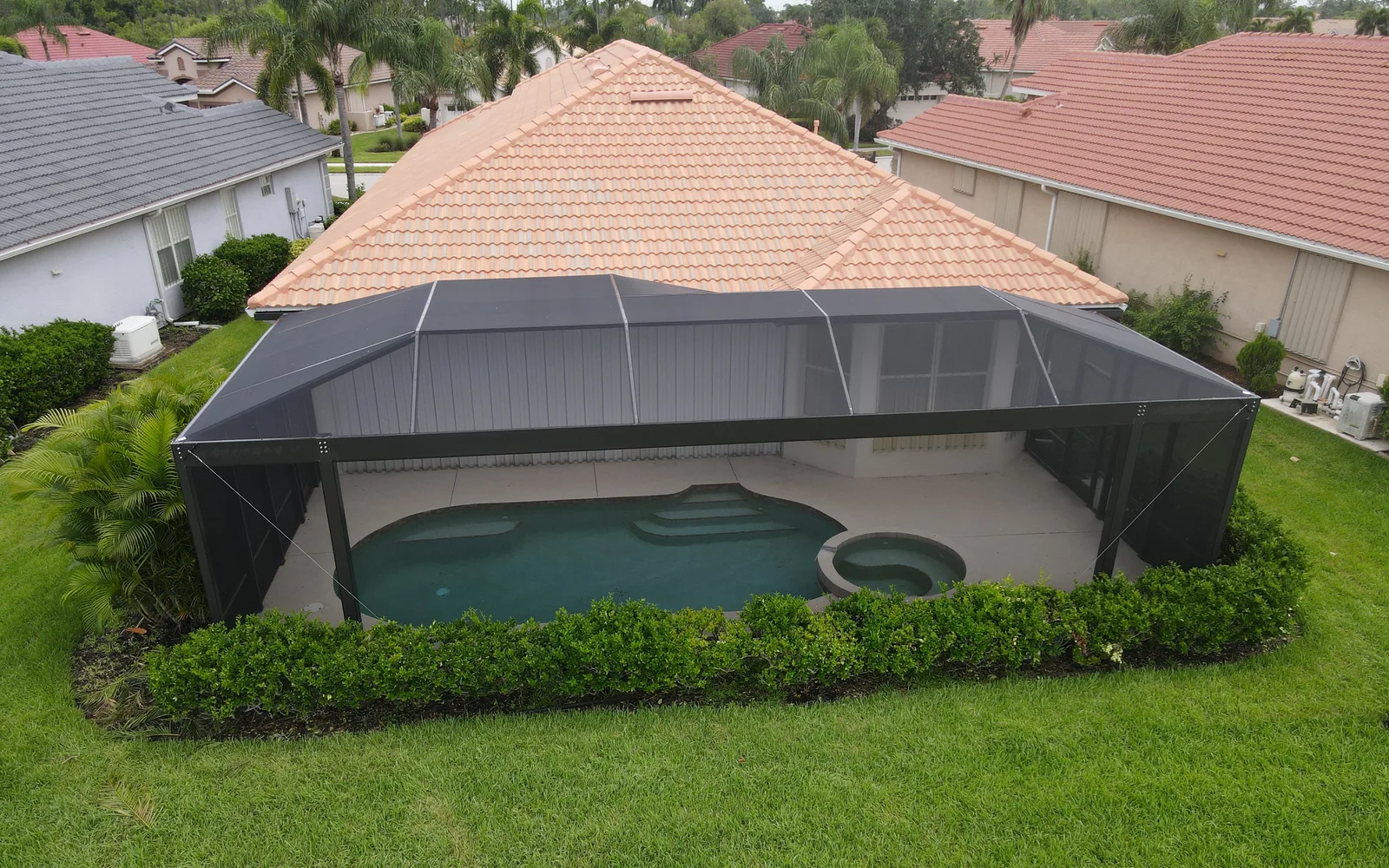
Quick Answer: If you are asking why will my screen door not close, the most common causes are a loose hinge, a shifted frame, a worn latch, a bent closer, or debris caught in the track or threshold. In Florida homes, especially on the Gulf Coast, humidity, salt air, and frequent use can make these problems happen faster because metal parts corrode, screws loosen, and door frames can swell or shift slightly. The good news is that many closing issues are simple to diagnose once you look at how the door moves, where it rubs, and whether the latch lines up with the strike plate.
What Usually Stops a Screen Door From Closing
A screen door should swing freely, return smoothly, and meet the latch without forcing it. When it does not, the problem is usually mechanical rather than dramatic. One of the most common issues is sagging. If the top hinge loosens or the door frame shifts, the door can drop just enough to scrape the threshold or miss the latch. Another common cause is a door closer that has lost tension or been installed at the wrong angle, which can leave the door hanging open or slamming shut instead of latching.
You may also find that the latch mechanism itself is the issue. A bent latch, a misaligned strike plate, or a spring-loaded handle that no longer engages properly can keep the door from fully closing. Even if the door looks straight, a small alignment problem can make the latch sit just off target. On screened lanais and pool enclosures, daily traffic, pets, and wind gusts can make these small shifts more noticeable over time. If you are dealing with a screen enclosure contractor cape coral fl homeowners often call for frame and hardware issues, the root problem is frequently alignment, not the screen mesh itself.
Check the Frame, Hinge, and Threshold First
Before assuming the latch is broken, inspect the physical fit of the door. Open and close it slowly while watching the gap around the frame. A gap that widens at the top or bottom usually points to a hinge problem. If the door scrapes the floor, threshold, or bottom rail, it may be sagging. Tightening hinge screws can sometimes solve the problem, but if the screw holes are stripped, the screws may no longer hold the hinge firmly in place.
Look at the frame as well. Aluminum screen doors and enclosures can shift slightly after storms, repeated use, or years of settling. In coastal Florida, salty air can also contribute to corrosion around screws, hinges, and latch hardware. If corrosion has weakened the metal or hardware, the door may not sit squarely enough to close cleanly. A warped frame is harder to correct than loose hardware, and it usually needs a careful inspection to determine whether adjustment, part replacement, or professional repair is the right step.
The threshold matters too. Dirt, sand, leaves, and small bits of debris can block the door from closing all the way. If the door seems fine until the last inch, check the floor track, sweep, and bottom edge. Even a small obstruction can keep the latch from engaging.
Why the Latch Won’t Catch
A door that swings shut but will not stay closed often has a latch problem. Start by checking whether the latch lines up with the strike plate when the door is almost closed. If the latch hits above, below, or beside the opening, the door or strike plate may need adjustment. Sometimes the latch itself is worn out and no longer extends far enough to catch. In other cases, the strike plate has shifted after the screws loosened.
If the door closes but pops back open, the closer may be pulling unevenly, or the latch may be binding. You may also notice that the handle feels sticky or the latch only works if you push the door hard. That can mean the hardware is corroded, dry, or bent. On screen doors exposed to rain, sprinklers, and salty coastal air, moving parts can lose smooth operation faster than expected. Regular cleaning and lubrication can help, but damaged hardware usually needs replacement.
If you want a deeper walk-through of common fixes, see the how to repair a screen door guide.
Weather, Humidity, and Gulf Coast Wear Can Make It Worse
Florida Gulf Coast conditions can make a screen door problem show up sooner or more often. High humidity can affect wood components around the opening, causing slight swelling that changes the way the door fits. Aluminum parts do not swell like wood, but the surrounding structure can still shift enough to affect alignment. Coastal air can also accelerate wear on screws, springs, and hinges, especially if they are not maintained regularly.
Wind is another factor. Screen doors are lightweight by design, which makes them useful and comfortable, but also more sensitive to pressure changes and gusts. If the door has been forced open by wind or slammed repeatedly, the closer and hinges may no longer operate in sync. That can leave the door hanging open a crack or refusing to latch unless someone gives it a push. After storms or strong wind events, it is smart to inspect the full enclosure for loosened fasteners, bent hardware, or shifted panels.
In some cases, the issue is not isolated to the door. If the opening itself has shifted, repairs may need to address the surrounding aluminum structure, not just the door leaf. That is especially true when multiple doors or panels are suddenly out of alignment.
What Homeowners Can Safely Try
There are a few simple checks you can do before calling for help. First, clean the door track, bottom edge, and latch area. Remove sand, dust, and plant debris. Second, tighten visible hinge and hardware screws if they are loose. Third, test the closer by opening and releasing the door to see whether it returns smoothly. If the door closes partly but not fully, watch for rubbing points or areas where the frame is out of square.
If the screws spin without tightening, the hole may be stripped. If the door drags badly, the frame may be bent. If the latch is corroded, cracked, or badly misaligned, replacement may be the more practical fix. Be careful not to force the door shut, because that can bend the latch, damage the closer, or make the alignment worse. A screen door should close with light, even pressure, not a shove.
If the repair turns into a broader screen enclosure issue, a local professional can evaluate whether the door, frame, and surrounding enclosure components are all working together properly. For homeowners near the Gulf Coast who are already seeing corrosion or repeated hardware failures, that inspection can save time by identifying the real cause instead of treating the symptom.
When to Call a Professional
Call a professional if the door frame is bent, the opening is out of square, the hinge points are damaged, or the closer keeps failing after adjustment. You should also get help if the door is part of a larger screened lanai or pool cage and other components are shifting, because those problems can affect how the door fits and functions. If you are unsure whether the issue is with the door itself or the surrounding structure, a trained installer or repair specialist can sort that out.
Project-specific structural, electrical, HVAC, fire-safety, manufactured-home, and permitting questions should go to the appropriate licensed professional or local authority. That is especially important when a repair seems to involve framing changes, electrical components near the opening, or anything beyond basic door hardware replacement.
For homeowners evaluating whether a repair is worth pursuing, a site visit is often the best way to get a clear answer. The actual cost depends on the condition of the frame, the hardware that needs replacement, and whether the opening itself needs adjustment. A written estimate from a qualified contractor will reflect the specific door and structure in front of them rather than a guess.
Final Thoughts
If you are wondering why will my screen door not close, start with the basics: check the hinges, latch, closer, frame, and threshold. In many cases, the issue is a small alignment problem, loose hardware, or corrosion from Gulf Coast weather. Some fixes are simple, but if the door keeps sagging, rubbing, or failing to latch, the surrounding structure may need attention too. The safest path is to diagnose the cause before forcing the door, and to bring in a qualified pro when the problem goes beyond routine homeowner adjustment. A screen door should close cleanly, latch securely, and open again without resistance, and when it does not, there is almost always a specific reason that can be found and corrected.